
TL;DR
Gardening experts quoted by Ideal Home say November is not too late to plant roses. Bare-root roses can establish roots while dormant, but planting should wait if the ground is frozen or waterlogged; sunlight, drainage and suitable spacing also matter.
November is not too late to plant roses, according to gardening experts quoted by Ideal Home, particularly when planting bare-root varieties. They say autumn moisture and cooler conditions can help dormant plants establish roots before spring, but gardeners should wait if the soil is frozen or waterlogged.

Get garden gear delivered free with Prime
- Fast, free delivery on millions of items
- Prime Video, Amazon Music and more included
- Member-only deals all year
Chris Bonnett, founder of Gardening Express, told Ideal Home that autumn and winter are suitable for planting bare-root roses because the plants are dormant and can develop roots before spring growth begins. David Denyer, a florist and gardening expert at eflorist, said November rain can provide moisture without the stress of high temperatures. The advice is conditional: soil should be workable and drain adequately.
Experts cited by the publication generally recommend bare-root roses for this time of year. They are sold without a pot or soil around their roots, are often available from late autumn into early spring and, according to Bonnett and Denyer, can cost less than container-grown plants. Craig Wilson, co-founder of Gardeners Dream, also recommended bare-root types for November planting. Container-grown roses can be planted at other times of year too, Bonnett said, as long as the ground is not frozen or waterlogged.
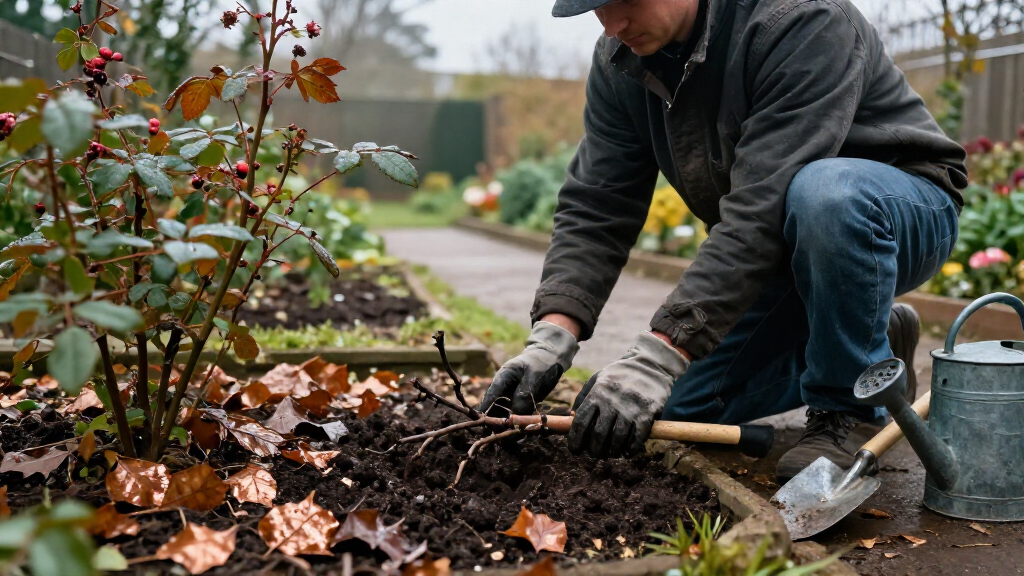
For planting, Denyer advised soaking bare roots in water for a couple of hours, loosening the soil and adding well-rotted organic matter. The hole should fit the roots without bending or crowding them, and gardeners should follow the supplier’s instructions on planting depth, particularly for grafted roses. Bonnett recommended firming soil gently, watering well and adding mulch around the base while keeping it clear of the stems. Heavy feeding is not needed at this stage, he said.
Soil Conditions Set the Planting Window
The advice gives gardeners a practical alternative to waiting until spring, but it does not mean every November day or garden is suitable. Frozen or waterlogged soil can make planting difficult and hinder roots from settling. Waiting for a drier spell is the recommendation attributed to Julian Palphramand, Head of Plants at British Garden Centres.
Choosing the right site also affects whether a newly planted rose can establish. Bonnett advised selecting a spot with about six hours of sunlight a day and leaving enough room for air to circulate around foliage. Denyer cautioned against areas where water collects after heavy rain, saying poorly drained soil can contribute to root rot. The practical takeaway is to judge the ground and the site, rather than treating November as a deadline.
Products Worth Considering

Dyson V15 Detect Cordless Stick Vacuum

TCL 75-Inch Class 4-Series 4K UHD HDR Smart Google TV (75S446, 2022)

Samsung 65-Inch M70H Series 4K Mini LED Smart TV (2026)
As an affiliate, we earn on qualifying purchases.
Why Dormant Roses Suit Autumn
The expert advice centers on the roses’ seasonal dormancy. Bonnett and Wilson said dormant roses are more resilient to planting in colder months, while Denyer said plants set in autumn can put energy into root development instead of flowers. Their stated expectation is that established roots give roses a head start when spring growth begins; it is guidance, not a guarantee of how an individual plant will perform.
Rose type should match the available space. Bonnett suggested shrub roses for borders and climbing roses for fences, walls or trellises. Denyer said patio and miniature roses can work in containers, and advised looking for repeat-flowering varieties if flowers through summer are a priority. The source does not name a single rose variety as best for November planting.
“November is actually a very good time to plant roses, so it’s certainly not too late.”
— Chris Bonnett, founder of Gardening Express, quoted by Ideal Home
Local Weather Changes the Advice
The recommendation is broad seasonal guidance, not a guarantee that November planting will work in every location. The source gives no regional planting calendar, soil-temperature threshold or forecast for individual gardens. It also does not establish how a particular rose variety will fare in a specific site. Gardeners should assess whether their soil is workable and drains freely; if it is frozen or saturated, the experts advise waiting for better conditions.
Check the Ground Before Planting
Before planting, check the weather and soil: do not put roses into frozen or waterlogged ground. If conditions are suitable, choose a sunny, well-drained position, check the variety’s recommended spacing and planting depth, and prepare a hole wide enough for roots to spread naturally. For bare-root plants, follow the supplier’s instructions and water thoroughly after planting.
There is no specific upcoming milestone in the source report. The next step for gardeners is to act according to local conditions: plant during a workable, drier spell or wait until the ground is suitable.
Key Questions
Is November too late to plant roses?
No, not necessarily. Experts quoted by Ideal Home say November can be a suitable time, especially for bare-root roses, if the ground is workable and not frozen or waterlogged.
Are bare-root or potted roses better to plant in November?
The experts generally favor bare-root roses in autumn and winter because they are dormant, often cost less and can establish roots before spring. Container-grown roses can also be planted when conditions allow.
What conditions should I avoid?
Do not plant into frozen or waterlogged soil, and avoid spots where water collects after rain. A well-drained location helps reduce the risk of roots sitting in wet soil.
How should I prepare a bare-root rose?
Denyer advises soaking its roots in water for a couple of hours, loosening the soil and adding well-rotted organic matter. Spread the roots naturally, follow the supplier’s planting-depth guidance, water well and mulch around the base without covering the stems.
Source: idealhome.co.uk