TL;DR

Get garden gear delivered free with Prime
- Fast, free delivery on millions of items
- Prime Video, Amazon Music and more included
- Member-only deals all year
Gardening Know How published a guide to seven plants for holiday porch pots, highlighting options for winter color, evergreen structure and trailing foliage. The report recommends choosing containers that can withstand freezing temperatures; local hardiness and care needs vary by plant and location.
Gardening Know How has published a guide to seven plants for holiday porch pots, including winterberry holly, ornamental cabbage and kale, hellebores and small evergreen shrubs. The advice offers gardeners choices for winter containers that can combine berries, foliage, flowers and trailing greenery, while stressing the need for pots that can tolerate cold weather.
The list includes ‘Ice Breaker’ Korean fir, a dwarf evergreen with curled, silvery needles, and ‘Little Gem’ Norway spruce, a compact, naturally rounded conifer. The report gives ‘Ice Breaker’ a hardiness rating of -20°F and says it can reach about 2 feet tall after 10 years. ‘Little Gem’ is described as hardy to -40°F and slow-growing, adding roughly an inch or two each year.
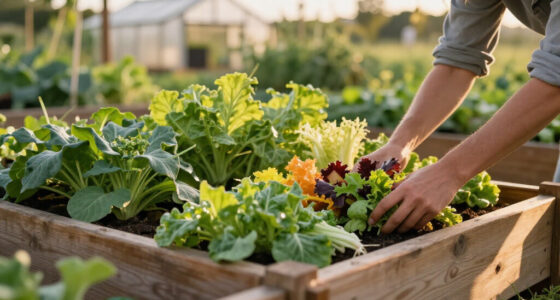
For color, the guide suggests winterberry holly, whose leaves drop in autumn while its red berries remain, and ornamental cabbage and kale, which have colorful central rosettes. It also recommends Christmas roses, or Helleborus niger, for white flowers and dark foliage, while cautioning that many hellebores do not flower until January. Cultivars named in the report as possible holiday bloomers include ‘Christmas Carol Early,’ ‘Jacob’ and ‘Snowbells.’
The remaining choices are coral bells, selected for foliage in shades such as bronze, burgundy and apricot, and trailing English ivy, which can spill over a container’s edge. The article says ornamental cabbage and kale are technically edible but are grown for their appearance in these displays. It also advises selecting pots made of materials suited to winter conditions, naming metal, wood and plastic as options.
Choosing Plants for Winter Color
The recommendations address a practical seasonal challenge: many familiar container plants struggle when temperatures fall, while porch displays need to hold their shape and color through winter weather. Using a mix of evergreen structure, persistent berries and cold-season foliage can give a container visual interest even when flowers are scarce.
The plant choices also offer different ways to build an arrangement rather than relying on one type of greenery. A small conifer can provide height or a central focal point; winterberry contributes berries; ornamental kale and coral bells add foliage color; and ivy can soften the pot’s edges. These are design suggestions, not a guarantee of performance: exposure, container size, local climate and plant care all affect how well a display holds up.
Products Worth Considering

Bose SoundLink Plus Portable Bluetooth Speaker, Wireless Outdoor Speaker, Up to 20 Hours Battery Life, Waterproof and Dustproof, Black

Dyson Car+Boat Cordless Handheld Vacuum

Bose S1 Pro+ All-in-One PA Speaker
As an affiliate, we earn on qualifying purchases.
What the Seven Plants Offer
The source presents the plants as candidates for outdoor seasonal containers near doors, steps and entryways. Several selections are valued primarily for foliage or form rather than flowers. That includes the silvery needles of ‘Ice Breaker,’ the rounded shape of ‘Little Gem,’ and the range of leaf colors found in coral bells.
Timing differs among the plants. The report says winterberry loses its leaves before its berries provide winter color, while ornamental cabbage and kale can retain their vivid appearance into freezing weather. Hellebores may flower after the main holiday period, so gardeners seeking blooms in December would need to select a cultivar that flowers earlier. The article identifies USDA zone 3 hardiness for winterberry and the Christmas rose generally, but hardiness ratings do not specify how every plant will fare in every container or microclimate.
The article describes seven plants, despite a headline in its body referring to “8 Top Plants.” The material provided does not give an eighth plant, and the practical container instructions are cut off after the advice to choose winter-tolerant pot materials. The article’s full recommendations for arranging and caring for the pots are not available in the supplied text.
“The best plants for DIY holiday porch pots combine appealing structure with festive cut boughs. They should be hardy enough to survive cold weather and add winter curb appeal.”
— Gardening Know How
Local Conditions Shape Results
The guide’s plant descriptions do not establish how a specific container will perform in a reader’s location. Local winter temperatures, wind exposure, sunlight, drainage and container size can affect survival and appearance; the provided material does not give detailed care instructions for each plant or location-specific planting advice.
The source material also ends partway through its container guidance. It does not state how often to water the arrangements, whether particular plants should be combined, or how to protect roots during prolonged freezes. The headline refers to seven plants, while a subheading in the report says eight; only seven plants are described in the supplied text.
Check Hardiness Before Planting
Gardeners planning a porch display can use the list to compare plants by their color, form and stated cold tolerance, then check whether each selection is suited to their local conditions. The source recommends winter-capable containers, including metal, wood or plastic, but the supplied excerpt does not include the rest of its assembly guidance.
Before planting, readers should consult reliable local gardening advice and the plant’s care information for its light, water and temperature needs. The report does not announce an event or a coming update; it is seasonal planting guidance, and the next steps for an individual display depend on local weather and plant availability.
Key Questions
Which plants does the guide recommend for holiday porch pots?
It describes ‘Ice Breaker’ Korean fir, winterberry holly, ornamental cabbage or kale, Christmas hellebores, ‘Little Gem’ Norway spruce, coral bells and trailing English ivy.
Which plants provide color without flowers?
The guide points to winterberry’s red berries, ornamental cabbage and kale’s colorful rosettes, and coral bells’ varied foliage. Small evergreens add year-round needle color and structure.
Will Christmas roses bloom in December?
Not necessarily. The report says hellebores commonly bloom in January, though it names ‘Christmas Carol Early,’ ‘Jacob’ and ‘Snowbells’ as cultivars that may flower in time for the holidays.
What kind of pot should I use outdoors in winter?
The article recommends materials that can handle winter temperatures, including metal, wood and plastic. It does not provide detailed advice on pot size, drainage or freeze protection in the supplied excerpt.
Are ornamental cabbage and kale meant to be eaten?
The report says they are technically edible but are grown for their ornamental appearance in holiday containers, especially their bright central rosettes.
Source: gardeningknowhow.com