TL;DR
A Homes & Gardens gardening report recommends three October steps to reduce slug and snail damage to hostas: remove decaying leaves, check nearby sheltered spots for pests and eggs, and protect plants with barriers such as copper tape or coarse eggshells. These measures may reduce hiding and egg-laying sites, but the source does not quantify their effectiveness or promise to eliminate pests.
Homes & Gardens has published October advice urging gardeners to clear decaying hosta leaves, check nearby sheltered spots for slugs, snails and eggs, and add physical barriers to help limit damage to the plants. The report presents the steps as preventive measures ahead of spring growth, not as a guarantee that pests will be eliminated.
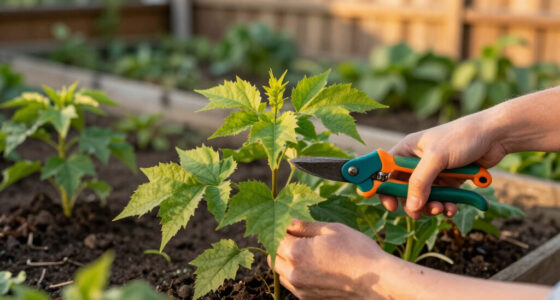
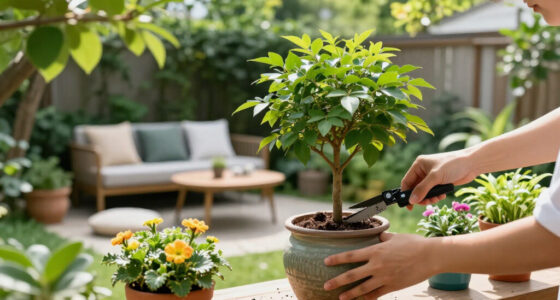
The first recommendation is to remove yellowing, brown or wilted hosta foliage and other leaf litter around the plants. The report says debris can provide damp shelter and potential egg-laying sites. It advises cutting affected leaves near soil level with sharp secateurs, or pulling away soft, mushy leaves while wearing gloves. Healthy green foliage is not the target of this cleanup.
The second step is to inspect the area around each hosta. Homes & Gardens recommends checking the soil surface, the undersides of pots and nearby objects such as bricks, boards, tiles and logs, where pests or clusters of eggs may be sheltered. It also describes scraping away the top inch of soil around a plant and hand-picking visible snails at night. These are practical suggestions from the report; it does not provide trial data showing how much any one method reduces pest numbers.
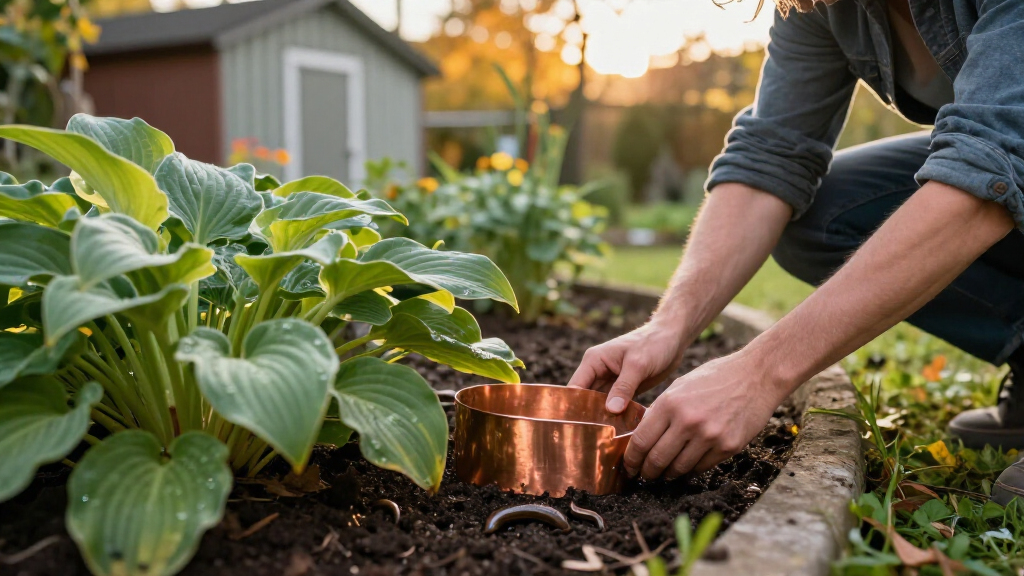
For added protection, the report suggests copper tape around container rims and a coarse ring of crushed eggshells around plants. It says other options, including nematodes and garlic wash, are generally better timed for spring, when soil warms and slug and snail activity increases. Gardeners should use tools carefully, wear gloves for damp cleanup, and follow product labels if using any commercial pest-control treatment.
Reducing Spring Hosta Damage
Hostas are grown for their foliage and are often planted in shaded borders or containers, but their leaves can show conspicuous ragged damage from slugs and snails. Autumn cleanup may reduce sheltered spots around plants during a period the report identifies as a peak for mating and egg-laying. That makes October a useful time to inspect the immediate area before winter conditions set in.
The advice matters most to gardeners who have repeatedly found damaged leaves or pests around their hostas. Clearing debris and checking hiding places are comparatively straightforward garden tasks, while physical barriers offer another option for containers and individual plants. Still, the report does not establish that the steps will prevent all damage: pests may remain elsewhere in the garden, and the effectiveness of a barrier can depend on how and where it is used.
As an affiliate, we earn on qualifying purchases.
Why October Cleanup Is Suggested
Hostas typically produce their prominent foliage in spring and summer, and the report frames autumn work as preparation for the next growing season. It says cooler temperatures and steadier rainfall in October coincide with increased slug and snail mating and egg-laying. Removing dead or decaying leaves is presented as a way to reduce sheltered places near hostas, rather than as a way to remove every pest from a garden.
Garden designer Andrew Marshall of Go Wild Landscapes, based in Oxford, England, told Homes & Gardens that he tidies around hostas before the first hard frosts, removing leaves that are browning or yellowing while leaving brighter green growth. The article also notes that slug and snail eggs can be laid at other times of year, so the suggested timing is seasonal advice rather than a claim that October is the only period when action is useful.
“October is a great time to tidy up around your hostas, before we get the first proper, hard frosts of the year.”
— Andrew Marshall, garden designer at Go Wild Landscapes, speaking to Homes & Gardens
Limits of the Pest Advice
The report gives no controlled measurements or comparison data showing how many slugs, snails or eggs the three steps remove, or how much hosta damage they prevent. Its suggested methods should be understood as preventive gardening advice, not a proven guarantee of pest-free plants. It also does not specify how often gardeners should repeat inspections or how effective copper tape and eggshell barriers are under different garden conditions.
Some numerical claims in the source, including estimates of eggs laid by individual slugs and snails, are not accompanied by a cited study in the supplied material. They are not needed to carry out the cleanup advice and should not be taken as verified measurements here. The source also does not discuss local differences in pest species, climate or garden practice.
Practical Steps Before Frost
Gardeners following the report can begin by removing dead hosta foliage and nearby leaf litter, then inspect sheltered surfaces and the soil around plants for visible pests or eggs. Check containers and nearby garden materials, and consider a physical barrier suited to the plant’s location. Repeat checks as autumn conditions change, especially after wet weather, while avoiding damage to healthy foliage and established roots.
There is no further study or official follow-up identified in the source material. The next point at which gardeners can judge the results is the following spring, when hostas resume growth and any remaining slug or snail damage becomes visible. The report advises that some pest-control approaches are better applied in spring, but provides no detailed product schedule; any treatment should be used only as its label directs.
Key Questions
What three October steps does the report recommend for hostas?
It recommends clearing decaying leaves and debris, inspecting sheltered spots near plants for slugs, snails and eggs, and using physical protection such as copper tape on pots or a coarse eggshell ring.
Should I cut back all hosta leaves in October?
No. The report advises removing leaves that are brown, yellow or wilted, while leaving brighter green growth. Use clean, sharp secateurs for firmer leaves and gloves when handling soft or damp foliage.
Where should I look for slugs, snails or their eggs?
Check around the hosta’s base and under nearby pots, tiles, bricks, boards and logs. The report says damp, sheltered surfaces and garden debris can provide places for pests to hide.
Will October cleanup stop all slug damage?
No. The source describes the measures as prevention but provides no evidence that they eliminate pests or prevent all damage. Slugs and snails may remain in other parts of a garden, so the results can vary.
When does the report suggest using nematodes or garlic wash?
It says those options are generally better applied in spring, when the soil warms and slug and snail activity increases. Follow the instructions and precautions on any product label.
Source: rss