TL;DR

Get garden gear delivered free with Prime
- Fast, free delivery on millions of items
- Prime Video, Amazon Music and more included
- Member-only deals all year
A Gardening Know How report recommends buttonbush (Cephalanthus occidentalis) as a native alternative to butterfly bush for gardens with moist soil. Its summer flowers provide nectar and pollen for pollinators, while its later fruits feed birds; the shrub is not suited to dry, fast-draining sites.
Buttonbush (Cephalanthus occidentalis), a shrub native to much of the United States, is being recommended as an alternative to butterfly bush for gardeners seeking flowers and wildlife food without relying on a plant that can spread invasively in some areas. A Gardening Know How report says buttonbush attracts pollinators with its summer blooms and provides fruit for birds, but stresses that the shrub suits sites with moist to wet soil, not dry gardens.
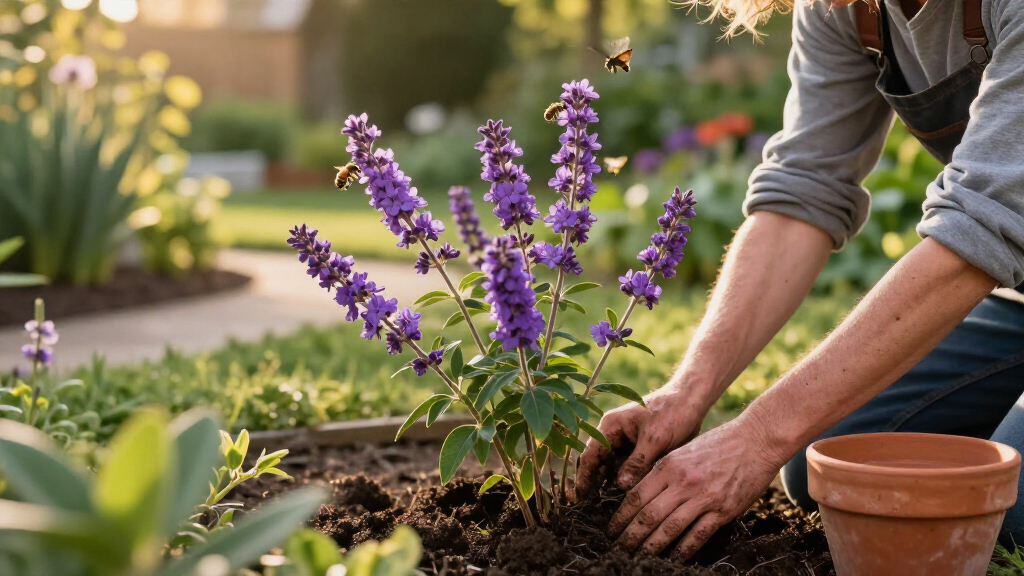
Buttonbush has a different look from butterfly bush. Rather than elongated flower clusters, it produces round, white flower heads made up of many small tubular flowers. The report says these blooms typically appear in summer and have a sweet, honey-like fragrance. They supply nectar and pollen for bees, butterflies and other pollinators, including hummingbirds.
After flowering, the shrub develops rounded fruit clusters. According to the report, these can provide food for songbirds and some waterfowl. The article presents this sequence of blooms and fruit as a way for the plant to serve different wildlife through the growing season, though it does not quantify how many species use buttonbush or compare its wildlife value directly with butterfly bush.
The main practical constraint is site selection. Buttonbush naturally grows in wet habitats and can tolerate poorly drained ground, making it a candidate for rain gardens or spots that remain damp after rainfall. It can grow in full sun or partial shade, but the report says flowering is generally better with adequate sunlight. It cautions against planting it in dry ground or hot borders with fast-draining soil.
A Better Fit for Damp Gardens
The recommendation matters most to gardeners who have a persistently wet area and want to support local wildlife with a native shrub. Buttonbush can put damp ground that limits other ornamental choices to use, while its flowers and fruit offer food for pollinators and birds. Its value is conditional: a plant that suits a rain garden may struggle where soil dries quickly.
The report also draws attention to butterfly bush’s invasive potential in parts of the United States. That concern does not mean every butterfly bush cultivar behaves the same way. The source notes that sterile cultivars produce little to no viable seed and may reduce unwanted spread, while presenting buttonbush as another option to consider. Gardeners should check local guidance and choose plants suited to their region and site rather than treating either shrub as universally appropriate.
native buttonbush shrub for wet soil
As an affiliate, we earn on qualifying purchases.
As an affiliate, we earn on qualifying purchases.
Why Butterfly Bush Raises Concerns
Butterfly bush (Buddleja davidii) is popular in gardens because its colorful flower clusters produce nectar that attracts butterflies. The Gardening Know How report says the shrub can become invasive in parts of the United States, a concern linked to the possibility of unwanted spread. It also points to sterile cultivars as an option intended to reduce that risk by producing little or no viable seed.
Buttonbush is not presented as a like-for-like replacement for every garden. Its native range covers much of the United States, but its preference for wet conditions makes it a better match for some landscapes than others. The report’s recommendation is specifically for gardeners with moist soil, poorly drained areas or rain gardens who want another native flowering shrub.
“Buttonbush (Cephalanthus occidentalis) is native to much of the United States.”
— Gardening Know How report
Limits of the Wildlife Comparison
The source offers a gardening recommendation, not a controlled comparison of buttonbush and butterfly bush. It provides no measured data on pollinator visits, bird feeding, seed spread or the relative wildlife benefits of the two shrubs. Its description of buttonbush as wildlife-friendly is supported by the flowers and fruit it produces, but the report does not establish that wildlife will prefer it over butterfly bush in every setting.
The report also does not specify which regions or jurisdictions have restrictions or particular concerns about butterfly bush. It says the plant can be invasive in parts of the United States, but gardeners would need to consult local extension services or invasive-plant guidance for rules and recommendations where they live. Buttonbush’s eventual size and performance in a specific garden are also not detailed in the provided material, so buyers should check regional growing information before planting.
Check Soil and Local Guidance
Gardeners considering buttonbush should first check whether the planting site stays consistently moist and has enough room for a shrub. A sunny or partly shaded position can work, with better flowering generally associated with adequate sunlight. If the ground dries quickly, the report suggests buttonbush is unlikely to be the right fit.
Before choosing butterfly bush instead, gardeners can check local advice on its invasive status and whether sterile cultivars are appropriate in their area. The report does not announce a policy change, new cultivar release or formal horticultural trial; its development is a planting recommendation. No follow-up research or next publication is identified in the source.
Key Questions
What is buttonbush?
Buttonbush (Cephalanthus occidentalis) is a shrub native to much of the United States. It produces round white flower heads in summer and rounded fruit clusters after flowering.
Does buttonbush attract wildlife?
The Gardening Know How report says its flowers provide nectar and pollen for bees, butterflies and other pollinators, including hummingbirds. Its fruits can feed birds, including songbirds and some waterfowl.
What growing conditions does buttonbush need?
It grows best in moist to wet soil and can tolerate poorly drained ground. It can grow in full sun or partial shade, though the report says flowering is generally better with adequate sunlight.
No. Buttonbush is best suited to damp sites, so it may not work in a dry garden or fast-draining border. The report recommends it as an alternative for gardens with suitable soil conditions, not as a universal substitute.
What is the concern about butterfly bush?
The report says butterfly bush can become invasive in parts of the United States. It also notes that sterile cultivars produce little to no viable seed and may reduce the risk of unwanted spread. Local guidance can clarify which options are appropriate in a particular area.
Source: rss
Fall yard work Picks
leaf blowers
As an affiliate, we earn on qualifying purchases.