TL;DR

Get garden gear delivered free with Prime
- Fast, free delivery on millions of items
- Prime Video, Amazon Music and more included
- Member-only deals all year
Homes & Gardens has published a shopping roundup of 16 bee hotels made from natural materials, including hanging, fence-mounted and stake-in-ground designs. The report describes them as shelter for nesting bees and notes that some models also accommodate other insects; it does not provide comparative testing or evidence that the products are safe for every pollinator.
Homes & Gardens has published a roundup of 16 bee hotel designs made from natural materials, presenting the structures as garden shelter for nesting bees and, in some cases, other insects. The shopping report offers options for different yards and installation styles, but does not report product testing or establish that every design suits every pollinator.
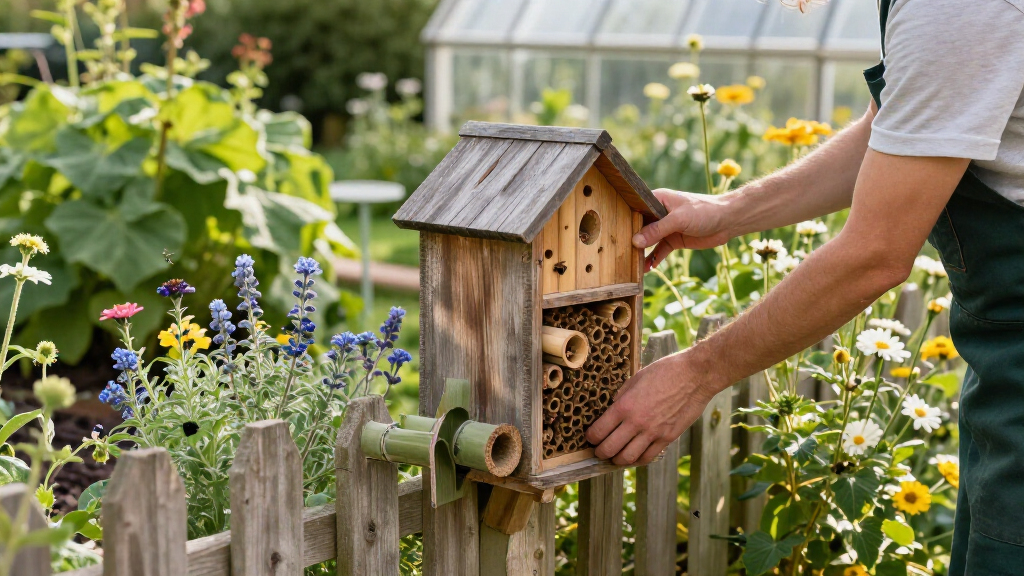
The roundup features bee hotels made with materials such as wood and bamboo. Examples described include a teal wooden house, a taller wooden design, a bamboo teardrop-shaped shelter and a wooden model with a water tray. The source identifies retailers including Amazon and Wayfair for some products, and Walmart for others. It does not include prices or a dated account of availability, which can change over time.
Several designs are intended to be installed in different ways: gardeners can choose a hotel to hang, attach to a fence post or place on a stake in the ground. The report also describes models with features for particular uses, including a hotel with a butterfly section and a hexagonal mason bee house coated in beeswax. It mentions refill tunnels for mason bee houses, but gives no details about maintenance schedules or how to assess whether a tunnel needs replacing.
The publication frames the list as a set of shopping recommendations, not a controlled comparison. Its introduction says it selected natural-material options in response to concerns that some plastic bee hotels can look cheap or gimmicky. The article does not provide a scoring method, prices, test results or evidence supporting a claim that all 16 products will last for many years.
Shelter Options for Garden Pollinators
The roundup gives gardeners a practical starting point for comparing different sizes, materials and mounting methods. A structure designed for nesting bees can add one form of habitat to a yard, while a model with a butterfly section may appeal to people looking to accommodate more than one kind of insect. The article does not quantify any effect on local pollinator populations, so its recommendations should not be read as proof that buying a hotel alone will improve them.
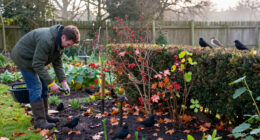
Its seasonal advice also places bee hotels among broader garden choices. Homes & Gardens recommends planting flowers that provide nectar later in the growing season and leaving some fallen leaves and garden debris in place, which it says can offer shelter to insects. For readers, the main takeaway is that a bee hotel is one possible habitat feature, rather than a substitute for flowering plants or other sheltered areas.
As an affiliate, we earn on qualifying purchases.
How the Roundup Frames Bee Hotels
The source describes bee hotels as structures with crevices used by nesting bees and says other insects may use them too. It highlights variation in design, from conventional house shapes to a teardrop form, and includes a mason bee-specific option. These descriptions come from the shopping roundup; it does not provide independent biological guidance about which species will use each product.
The article also suggests other wildlife-friendly steps, including avoiding excessive autumn tidying and making a brush pile from woody garden debris. These recommendations broaden the focus beyond the 16 products: habitat can also come from existing vegetation and garden materials. The source provides no measurements of the benefits of these steps and no local guidance tailored to a particular climate or species.
“A bee hotel is just one way to make your garden wildlife-friendly before frost.”
— Homes & Gardens
Product Performance Details Missing
The source does not give a publication date, product prices, test criteria or comparative results. It is also unclear whether all listed items remain available, how the editors assessed quality, or what evidence supports the report’s description of the products as built to last. The article does not identify the bee species or local conditions for which each design is appropriate.
Although the roundup says hotels may be used by bees, butterflies and other insects, it provides no research or expert testimony about occupancy, effectiveness or potential drawbacks. The suitability of a product may depend on its construction and placement, but the source does not provide enough information to evaluate those factors for each item.
Check Suitability Before Buying
Readers considering a purchase can use the roundup to identify styles and installation formats, then check current listings for materials, dimensions, construction and availability. The source names retailers but does not confirm stock or prices. Gardeners can also consider the article’s other suggestions, including later-blooming pollinator plants and leaving some natural debris undisturbed.
No follow-up testing, product update or additional reporting is announced in the source material. Whether Homes & Gardens will revise the list, or whether any of the featured designs have been independently assessed for use by particular bee species, remains unknown.
Key Questions
What did Homes & Gardens publish?
It published a shopping roundup of 16 bee hotel designs made from natural materials, with examples including wooden and bamboo structures.
What kinds of bee hotels are included?
The article describes house-shaped and teardrop designs, a model with a water tray, a hotel with a butterfly section, and a hexagonal mason bee house. The roundup does not provide a full technical comparison of the products.
How can the hotels be installed?
The source says options include models that can be hung, mounted on a fence post or set into the ground on a stake.
Does the article prove these products help pollinator populations?
No. It describes bee hotels as shelter for nesting bees and says other insects may use some designs, but reports no population data, product testing or independent evaluation of their effects.
What other garden steps does the report suggest?
Homes & Gardens also recommends growing flowers that bloom later in the season, avoiding excessive autumn tidying and leaving some fallen leaves or woody debris as potential shelter.
Source: rss
Fall Picks
fall essentials
As an affiliate, we earn on qualifying purchases.