
TL;DR
An Ideal Home report outlines four October jobs for vegetable gardeners: remove finished or diseased crops, cover empty beds with compost, sow suitable hardy crops and protect tender plants from frost. The advice is attributed to gardening experts Huw Richards and Claire Bishop, and results depend on local climate and crop varieties.
Ideal Home has published four October tasks for vegetable gardeners: clear finished or diseased crops, cover bare beds with compost, sow selected hardy vegetables and shield tender plants from frost. The report draws on advice from grow-your-own author Huw Richards and Dobbies Garden Centres plant buyer Claire Bishop; planting choices and protection needs depend on local climate.

Get garden gear delivered free with Prime
- Fast, free delivery on millions of items
- Prime Video, Amazon Music and more included
- Member-only deals all year
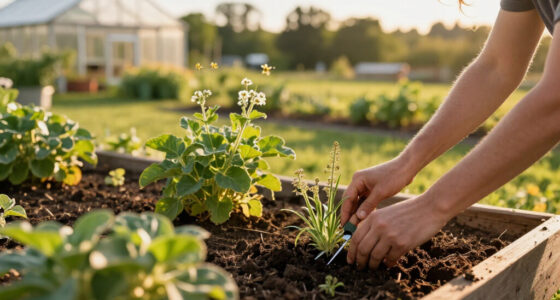
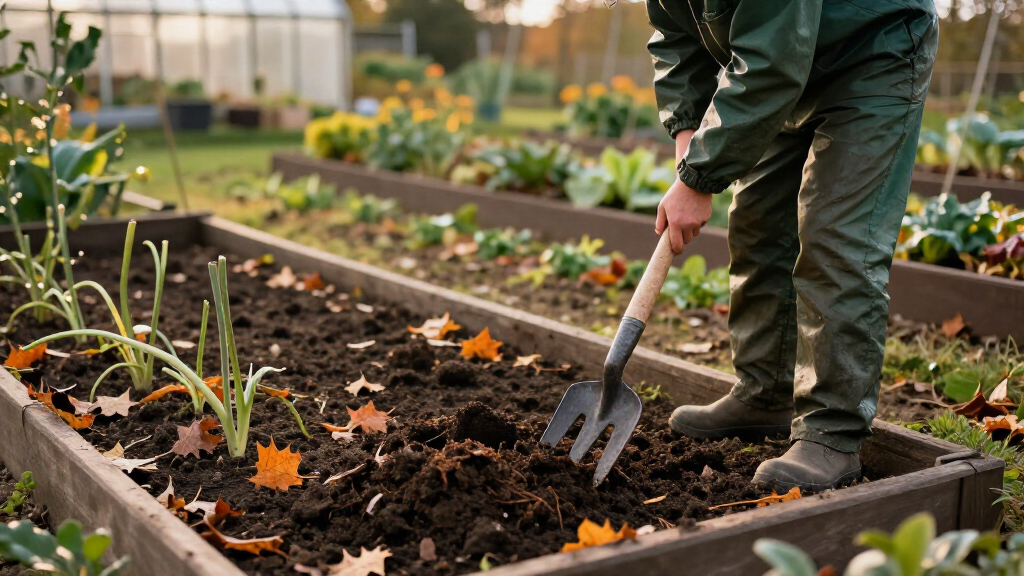
For beds with crops that have finished producing, Richards advises removing those plants, particularly if they are badly diseased. Healthy stems can be cut back and composted, while roots may be left in place to decompose. He says they can add organic matter and support soil life, so gardeners do not have to leave every bed entirely bare. Diseased material should be handled separately if it is unsuitable for the gardener’s compost system.
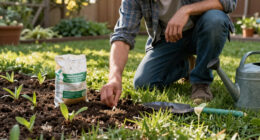
For empty beds, Richards recommends spreading a layer of well-rotted or homemade compost over the soil rather than digging it in. In his advice, worms and other soil organisms can work the material into the bed over time. A surface mulch also helps protect soil from winter weather and retain moisture. The article presents these as practical recommendations, not a guarantee of a particular harvest or soil improvement.
October sowing options listed include broad beans, winter salads, spinach and spring onions, with the suitable choices depending on climate and variety. Richards also identifies garlic as a crop to plant in October and recommends choosing types suited to autumn and winter conditions. Bishop says autumn is also a suitable time to plant soft-fruit bushes, including raspberries, gooseberries and currants, as well as fruit trees; she says soil that is still relatively warm gives roots time to establish before winter.
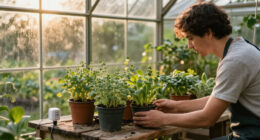
To extend the season, Richards recommends protecting less-hardy crops with fleece, cloches, cold frames or an unheated greenhouse. Covered crops should be ventilated on mild days to limit excessive humidity. He also suggests moving winter crops such as kale and chard into polytunnel beds, where protection may support production through winter.
October Work Shapes Winter Beds
The checklist focuses on two periods at once: the remaining autumn growing season and preparation for next spring. Removing spent crops makes room for new sowings, while leaving healthy roots and covering empty beds are intended to keep organic matter and protection in place over winter.
For gardeners, timing and local conditions matter as much as the task list. Hardy crops can still fail in unsuitable weather or if the wrong variety is chosen, and coverings need ventilation. The recommendations offer a seasonal plan, but the source does not provide region-specific planting dates or quantify expected yield gains.
Products Worth Considering

eufy Security Essential 7-Piece Alarm System

Sonos One (Gen 2) Two-Room Set Smart Speakers with Amazon Alexa, 2-Pack, Black

Dyson V8 Cyclone Cordless Vacuum
As an affiliate, we earn on qualifying purchases.
Advice From Two Garden Experts
The Ideal Home article frames October as both a clean-up period and an opportunity to keep growing. Its recommendations are based on comments from Richards, described as a grow-your-own expert and author, and Bishop, identified as a senior plant buyer at Dobbies Garden Centres. The source also includes product suggestions, but the gardening guidance does not depend on buying a particular brand of compost, tools or cloche.
The timing is not universal: the article explicitly makes sowing recommendations conditional on climate and variety. Frost dates, exposure, soil conditions and available growing space can differ between gardens, so local conditions should guide whether crops are planted outside or protected under cover.
“There’s no need to leave every bed completely bare.”
— Huw Richards, grow-your-own author and expert, as quoted by Ideal Home
Local Conditions Affect Planting
The report does not specify a single planting calendar for all regions. It says crop choices depend on climate and recommends varieties suited to autumn and winter, but gives no location-by-location guidance or frost-date thresholds. It also does not provide measured comparisons showing how much compost or protective covers improve soil or harvests.
Gardeners will need to judge whether their beds, weather and available shelter suit the suggested crops. The article also does not set out composting guidance for every diseased plant, so growers should follow local advice on whether affected material can safely go into their compost.
Use Weather to Set the Schedule
Gardeners can begin by removing crops that have finished or are badly diseased, then cover bare beds with well-rotted compost. They can select hardy seeds and garlic suited to local conditions, and prepare fleece, cloches or other shelter before frost threatens. Covered crops should be checked and ventilated on mild days.
The next practical milestone is the first sustained cold or frost in each garden. The report gives no date for that point, so gardeners should monitor local forecasts and adjust sowing and protection plans to their own conditions.
Key Questions
Which vegetables can be sown in October?
The report lists broad beans, winter salads, spinach and spring onions. Suitability depends on local climate and choosing varieties suited to autumn and winter growing.
Should healthy crop roots be removed?
Not necessarily. Huw Richards says healthy roots can be left to break down in the soil and add organic matter. He recommends removing crops that have finished producing or are badly diseased.
What should go on an empty vegetable bed?
Richards recommends spreading a layer of well-rotted or homemade compost over the surface. He says soil organisms can incorporate it naturally and that a mulch can help protect soil and retain moisture.
How can tender crops be protected from frost?
The report suggests fleece, cloches, cold frames or an unheated greenhouse. Ventilate covered crops on mild days to limit excessive humidity.
Can soft fruit be planted in October?
Claire Bishop says October is a suitable time to plant raspberries, gooseberries and currants, as well as fruit trees, while soil remains relatively warm. Local conditions still matter.
Source: rss