TL;DR
A growing trend shows gardeners repurposing old takeout containers for various gardening uses. This eco-friendly practice is gaining popularity, driven by interest in sustainable living and cost-saving measures. The article explores four clever methods, confirmed by trend signals, with details still emerging on widespread adoption.
Growing interest in sustainable gardening has led many enthusiasts to repurpose old takeout containers for various uses in their gardens. This trend, observed through increased online searches and social media posts, highlights eco-friendly practices that help reduce waste while supporting plant growth. Although the trend is still emerging, it reflects a broader movement toward creative reuse and environmental consciousness among gardeners.
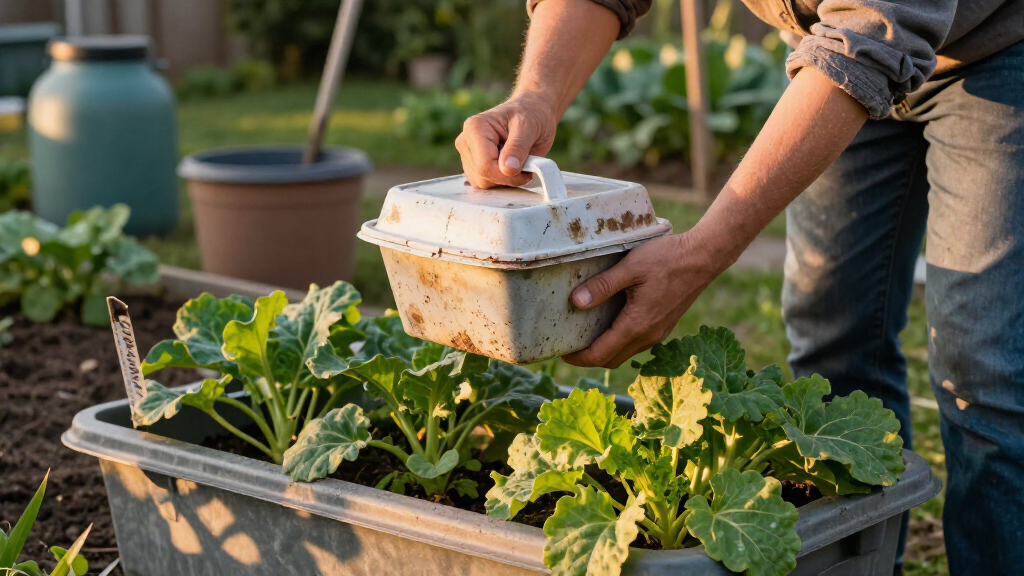
Multiple online sources and gardening communities report that people are increasingly saving and repurposing takeout containers for gardening tasks. Confirmed methods include using these containers as seed starters, mini greenhouses, watering tools, and plant labels. This practice is driven by the affordability and availability of takeout containers, as well as their suitability for small-scale gardening projects.
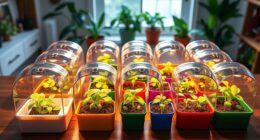
For example, gardeners are filling takeout containers with soil to start seedlings indoors, taking advantage of their lightweight and stackable nature. Others cut the containers into smaller sections to create mini greenhouses, trapping humidity and warmth to promote seed germination. Additionally, some use the containers as watering tools by poking small holes and using them to deliver water directly to plants, reducing waste and overwatering. Plant labels made from takeout containers are also popular, with users cutting the containers into strips and writing plant names on them.
While these uses are widely shared in gardening forums and social media, the trend’s popularity appears to be still growing, with no formal studies or widespread official endorsements confirming its long-term safety. The trend’s rise is attributed to rising environmental awareness and cost-conscious gardening practices.
Environmental Impact and Cost Savings of Reusing Takeout Containers
This trend matters because it exemplifies how small, everyday actions can contribute to environmental sustainability. By repurposing takeout containers, gardeners reduce plastic waste and avoid purchasing specialized gardening supplies, which can be costly. If widely adopted, such practices could lower household waste and promote a culture of reuse, aligning with broader goals of reducing plastic pollution and promoting eco-friendly lifestyles.
Moreover, this practice supports the DIY ethos and encourages resourcefulness among gardeners of all experience levels. As more people adopt these methods, the cumulative environmental benefits could be significant, especially given the volume of takeout containers discarded globally each day.
seed starter containers for gardening
As an affiliate, we earn on qualifying purchases.
As an affiliate, we earn on qualifying purchases.
Rise of Sustainable Gardening and Reuse Trends
The trend of repurposing household items for gardening is part of a larger movement toward sustainable living, which has gained momentum over recent years. Growing awareness of plastic pollution and climate change has prompted many to seek eco-friendly alternatives to conventional gardening supplies. Social media platforms like TikTok and Instagram have amplified the visibility of these practices, with users sharing creative reuse ideas.
While the specific trend of using takeout containers is relatively new and unconfirmed as a widespread movement, it fits within established patterns of DIY gardening hacks. Historically, gardeners have used recycled materials such as egg cartons, plastic bottles, and cardboard for plant propagation, but the recent focus on takeout containers appears to be a newer, more accessible iteration.
Experts note that the surge in interest coincides with increased online search activity and social media discussions, though no official data confirms the trend’s scale or longevity. Its growth may be driven by rising environmental consciousness and the desire for cost-effective gardening solutions amid economic uncertainties.
Extent and Long-Term Effectiveness of Takeout Container Use in Gardening
While anecdotal reports and social media posts confirm the practice’s popularity, it is not yet clear how widespread or long-lasting this trend will become. There is limited scientific research on the safety and efficacy of using takeout containers for gardening, particularly concerning potential chemical leaching or durability over time. Additionally, it remains uncertain whether this practice is being adopted primarily by hobbyists or if it is gaining traction among commercial or community gardeners.
Experts caution that certain plastics may contain chemicals unsuitable for soil or plant contact, and users should consider the type of containers they repurpose. Further studies are needed to evaluate any potential risks and to establish best practices for safe reuse.
Monitoring Adoption and Developing Best Practices for Reuse
As interest in this trend continues to grow, researchers and environmental organizations may begin examining its environmental impact more systematically. Gardening communities and DIY enthusiasts are likely to share more detailed guides and safety tips, helping to standardize best practices. Meanwhile, social media platforms will probably remain the primary space for sharing new ideas and success stories.
In the coming months, industry experts and environmental advocates may also promote official guidelines on safe plastic reuse in gardening, ensuring that eco-friendly practices do not inadvertently cause harm. Observers will be watching to see if this trend translates into broader behavioral shifts or remains a niche activity among dedicated gardeners.
Key Questions
Are takeout containers safe to use in gardening?
It depends on the type of plastic used in the containers. Some plastics may contain chemicals that could leach into soil or plants. Users should check for recycling codes and consider using containers made from food-safe plastics. Further research is needed to confirm safety for long-term use.
How can I repurpose takeout containers for planting?
Common methods include filling containers with soil to start seedlings, cutting them into smaller sections for mini greenhouses, poking holes for watering, and cutting strips for plant labels. Ensure proper cleaning and consider plastic type for safety.
Does this trend have environmental benefits?
Yes, repurposing takeout containers reduces plastic waste and decreases reliance on new gardening supplies, contributing to waste reduction and promoting sustainable practices.
Are there any risks to using takeout containers in gardening?
Potential risks include chemical leaching from certain plastics. It is advisable to use containers made from food-safe plastics and avoid containers with recycling codes known to contain harmful chemicals. Consulting safety guidelines is recommended.
Will this trend continue to grow?
The trend is currently gaining attention on social media and among gardening enthusiasts, but its long-term growth depends on safety validation and wider adoption. Monitoring online discussions and official guidelines will provide more clarity.
Source: rss