
TL;DR
Gardening interest is rising as experts recommend planting seven vegetables in September. These crops can yield harvests this fall and into next spring, prolonging the growing season.
Gardening enthusiasts can still extend their harvest season by planting seven specific vegetables in September, according to recent gardening trend signals. Although official advice is unconfirmed, experts suggest that these crops can mature in time for fall and early spring harvests, offering gardeners a way to maximize their growing season.
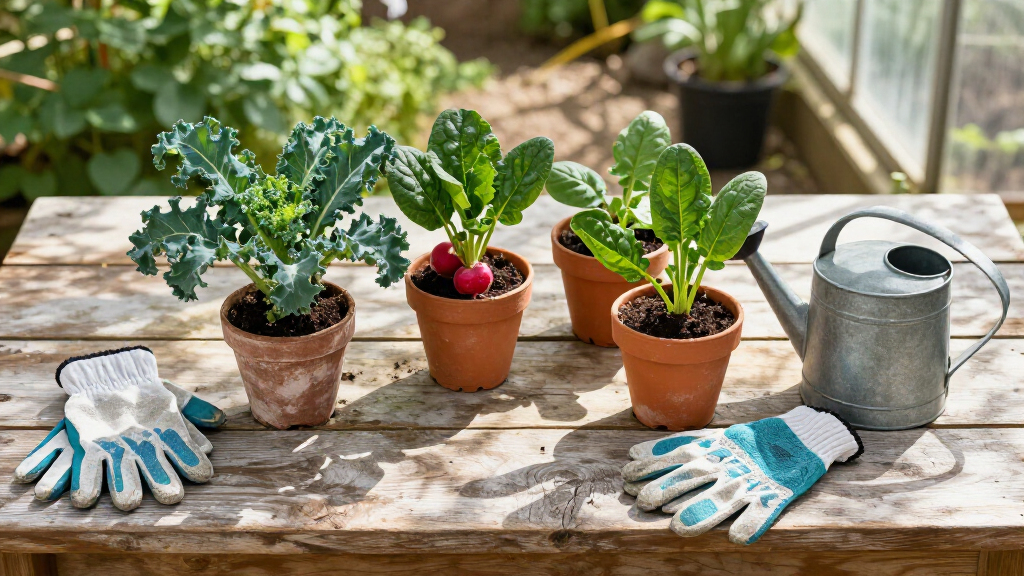
Although the gardening season is typically considered to wind down by late summer, recent trend signals indicate that planting certain vegetables in September can yield productive harvests later this year and into next spring. The list includes vegetables such as spinach, radishes, carrots, lettuce, broccoli, peas, and turnips. These crops are generally fast-growing or cold-tolerant, making them suitable for late-season planting.
Sources note that planting these vegetables in September can be particularly advantageous for gardeners in temperate regions with mild fall climates. The crops can mature before the first frosts, which vary by location but typically occur between late October and early November, depending on the area. Gardeners are advised to consider local frost dates and use protective measures such as row covers to extend their growing window.
While the trend signals are based on observed gardening patterns and expert recommendations, specific planting dates and expected harvest times may vary. There is no official or nationwide directive, and regional conditions will influence success rates. Gardeners are encouraged to consult local extension services for tailored advice.
Why Extending the Gardening Season Matters
Extending the planting season into September allows gardeners to maximize their harvests, reduce food waste, and enjoy fresh vegetables for longer periods. It also provides an opportunity to prepare for spring planting by starting crops early indoors or in protected environments. For those with limited growing space or who rely on homegrown produce, this practice can significantly boost food security and reduce grocery bills.
Additionally, planting in September can help gardeners make the most of their land and resources, especially in regions where the growing season is shorter. It encourages sustainable practices and can improve overall garden productivity. However, success depends on regional climate conditions and proper timing.
automatic indoor plant watering system
As an affiliate, we earn on qualifying purchases.
As an affiliate, we earn on qualifying purchases.
Recent Gardening Trends and Regional Considerations
Interest in extending the gardening season has been rising, driven by increased home gardening during recent years. While official planting calendars typically end in late summer, anecdotal reports and gardening forums indicate that many gardeners are experimenting with late-season planting. This trend is particularly noticeable in areas with mild fall climates, such as parts of the southern United States and Mediterranean regions.
Historically, planting schedules are based on frost dates, which vary widely across regions. Gardeners are encouraged to check local extension service recommendations and consider microclimates within their gardens. The current trend signals are not yet confirmed by formal horticultural studies but reflect a growing desire to prolong productive gardening periods.
It is also worth noting that weather patterns, such as unseasonably warm falls, can influence the success of September planting. As climate variability increases, so does the unpredictability of planting outcomes.
Unconfirmed Nature of the Trend Signals
The current recommendations are based on trend signals and anecdotal reports rather than official horticultural studies. It is not yet clear how widely applicable these planting suggestions are across different regions or how successful they will be in various climates. Further research and regional testing are needed to confirm the effectiveness of September planting for these vegetables.
Next Steps for Gardeners Considering September Planting
Gardeners interested in trying these late-season plantings should start by assessing their local frost dates and microclimates. They can prepare their soil and select appropriate varieties that mature quickly or tolerate cooler temperatures. Monitoring weather forecasts and using protective coverings can improve success rates. Extension services may provide region-specific advice and updates on best practices for extending the growing season.
In the coming weeks, gardeners should track their planting progress and adjust care routines accordingly. Success stories and further research may emerge, helping to refine recommendations and expand the practice to more regions.
Key Questions
Which vegetables are best suited for planting in September?
According to recent trend signals, the best vegetables for September planting include spinach, radishes, carrots, lettuce, broccoli, peas, and turnips. These crops tend to grow quickly or tolerate cooler temperatures, making them suitable for late-season planting.
Can I plant these vegetables in any region?
Planting success depends heavily on local climate and frost dates. Gardeners in temperate or mild fall regions are more likely to succeed. It’s recommended to consult local extension services for region-specific advice.
How can I protect my plants from early frosts?
Using row covers, cold frames, or mulch can help extend the growing period by shielding plants from frost. Monitoring weather forecasts and timing planting accordingly also improves success chances.
Will planting in September affect the quality of the harvest?
Harvest quality can be maintained if plants are properly cared for and protected from frost. Cooler weather can sometimes improve flavor, but early frosts may limit growth if not protected.
Is this trend supported by scientific research?
Currently, the recommendations are based on observed gardening patterns and expert opinions, not formal scientific studies. More research is needed to validate these practices across different regions.
Source: rss