
TL;DR

Get garden gear delivered free with Prime
- Fast, free delivery on millions of items
- Prime Video, Amazon Music and more included
- Member-only deals all year
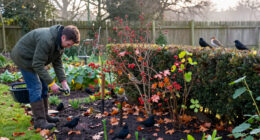
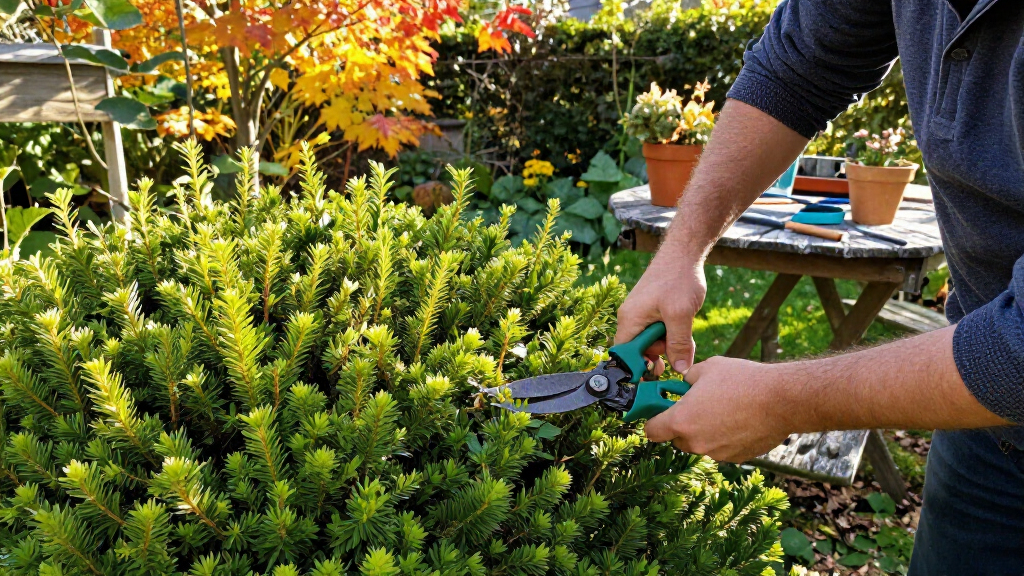
Garden experts recommend pruning six specific plants in September to maintain a tidy fall garden. Proper pruning now can promote healthy growth and improve garden aesthetics. The advice is based on established horticultural practices, though specific plant choices may vary.
Gardeners are advised to prune six specific plants in September to help ensure a tidy, healthy fall garden. This seasonal pruning helps promote plant health, manage growth, and enhance landscape appearance as the season transitions. Experts emphasize that timely pruning now can prevent overgrowth and disease, making it a key step for fall garden maintenance.
Horticultural specialists recommend pruning six plants in September: hydrangeas, roses, lavender, clematis, boxwood, and spirea. These plants are chosen because they benefit from removal of dead or overgrown branches before the colder months, which encourages vigorous growth in spring and maintains a neat appearance through fall.
For hydrangeas, pruning after flowering helps control size and shape, while roses should be deadheaded and cut back to promote better bloom production next year. Lavender requires light trimming to prevent woody growth, and clematis should be pruned to encourage flowering and prevent disease. Boxwood can be lightly trimmed to maintain shape, and spirea benefits from removing spent blooms and overgrown stems.
Experts caution that improper pruning can damage plants or reduce flowering, so gardeners should follow specific guidelines for each species. Additionally, some plants, such as certain types of hydrangeas, have specific pruning times and techniques that must be observed for optimal results.
Why September Pruning Benefits Your Garden
Pruning in September helps gardeners manage plant size, improve health, and prepare plants for winter dormancy. Proper pruning reduces the risk of disease by removing dead or diseased branches and promotes better airflow and sunlight penetration. It also encourages vigorous growth in the following spring, ensuring a lush, vibrant garden.
Additionally, timely pruning can help prevent overgrowth that might otherwise obscure pathways or garden features, contributing to a more organized and visually appealing landscape. This practice is especially relevant as many plants are entering dormancy and can be safely trimmed without damaging their future growth cycles.
automatic indoor plant watering device
As an affiliate, we earn on qualifying purchases.
As an affiliate, we earn on qualifying purchases.
Seasonal Gardening Practices and Plant Growth Cycles
The practice of pruning in September aligns with long-standing horticultural principles that recommend trimming certain plants before winter. Historically, gardeners have pruned after the main flowering period or before dormancy to balance plant health and aesthetics. This advice is consistent with the natural growth cycles of many perennials and shrubs.
Recent interest in fall gardening maintenance has increased as gardeners seek to extend the lifespan and beauty of their landscapes. While some sources suggest pruning in early fall, others advise waiting until late September or early October, depending on the plant species and local climate conditions. The current trend reflects a focus on preparing gardens for winter while promoting healthy growth in the following year.
It is worth noting that specific pruning times can vary based on plant variety and regional climate, and gardeners are encouraged to consult local horticultural guidelines for best results.
Unclear Which Plants Should Be Left Unpruned
It is not yet confirmed which plants should be left untouched in September, as pruning recommendations can vary based on plant species and regional climate conditions. Some sources suggest avoiding pruning certain flowering shrubs or trees that bloom on old wood, but specifics are still emerging. Gardeners are advised to research individual plant needs to avoid accidental damage.
Next Steps for Fall Garden Maintenance
Gardeners should identify their plant types and consult local horticultural resources for precise pruning instructions. As September progresses, monitoring weather conditions will help determine the best timing for pruning. Additionally, gardeners can prepare tools and learn proper techniques to ensure effective and safe pruning practices. Future updates may clarify which plants are best left unpruned in the fall.
Key Questions
Why is September recommended for pruning certain plants?
September pruning aligns with plant growth cycles, helping to control size, remove dead or diseased branches, and prepare plants for winter dormancy, which promotes healthier growth in spring.
Are there plants I should avoid pruning in September?
Yes, some plants that bloom on old wood, such as certain hydrangeas, should not be pruned in September to preserve their flowering potential. It’s best to research specific species for optimal timing.
Can improper pruning harm my plants?
Yes, incorrect pruning techniques or timing can damage plants, reduce flowering, or increase susceptibility to disease. Following species-specific guidelines is recommended.
What tools should I use for pruning in September?
Sharp pruning shears, loppers, and gloves are essential. Clean tools before use to prevent disease transmission, and disinfect them regularly.
How do I know which plants to leave unpruned in fall?
Plants that bloom on old wood or have specific seasonal needs should generally be left unpruned until after flowering or in early spring. Consult local horticultural advice for details.
Source: rss
Halloween Picks
halloween
As an affiliate, we earn on qualifying purchases.