
TL;DR

Get garden gear delivered free — and shop member deals
- Fast, free delivery on millions of items
- Access to Prime Big Deal Days deals on October 6–7
- Prime Video, Amazon Music and more included
A new guide highlights six key flowers that provide crucial nectar and pollen for pollinators from summer to first frosts. This helps sustain bee, butterfly, and other pollinator populations, vital for ecosystems and agriculture.
Experts have identified six vital flowers that serve as a critical food source for pollinators from summer through to the first frosts. This guidance aims to support declining pollinator populations, which are essential for biodiversity, agriculture, and ecosystem health.
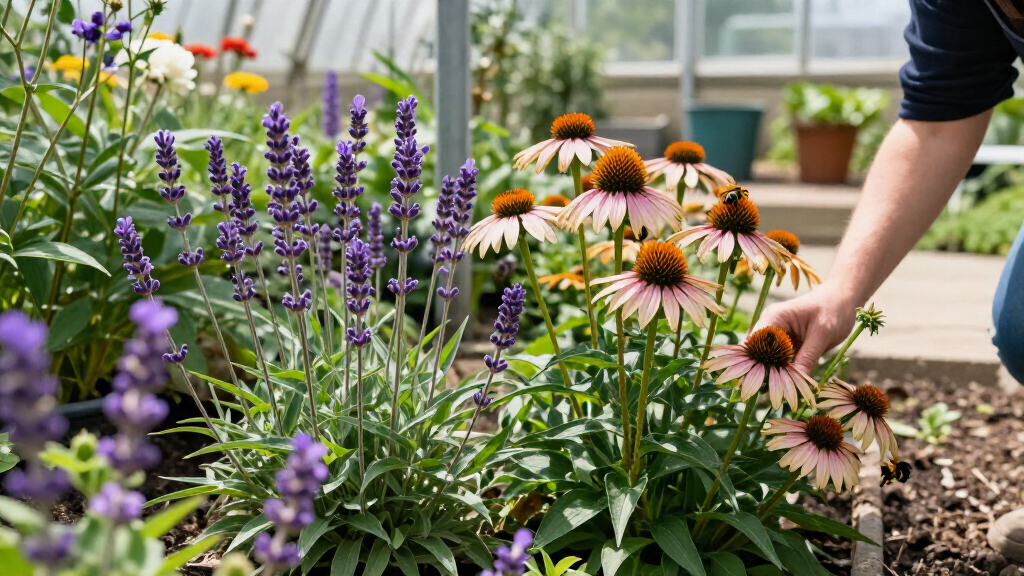
The six flowers recommended are coneflowers, goldenrod, asters, bee balm, sedum, and sunflowers. These plants are noted for their high nectar and pollen production, making them crucial for bees, butterflies, and other pollinators during late summer and early fall.
According to horticultural experts, planting these flowers can help sustain pollinator populations as natural forage sources decline due to habitat loss and climate change. The guidance emphasizes planting native species where possible, as they are better adapted to local ecosystems and more beneficial for native pollinators.
Environmental organizations and gardeners are encouraged to incorporate these plants into their landscapes to promote biodiversity and support food security, as pollinators play a key role in crop pollination and wild plant reproduction.
Why Supporting Pollinators During Summer Matters
Supporting pollinators with these six flowers is vital because it helps maintain healthy ecosystems and supports agricultural productivity. Declines in pollinator populations threaten the pollination of many fruits, vegetables, and wild plants, which can impact food supply and biodiversity. By planting these flowers, gardeners and farmers can contribute to reversing pollinator declines and fostering resilient ecosystems.
As an affiliate, we earn on qualifying purchases.
Recent Declines in Pollinator Habitats and Food Sources
Over recent years, habitat loss, pesticide use, and climate change have contributed to significant declines in pollinator populations worldwide. Native plant loss has reduced natural forage, especially late in the season when many pollinators need sustenance before winter. Experts have increasingly emphasized planting native, nectar-rich flowers as a practical measure to support these essential species.
This guidance aligns with broader conservation efforts aiming to restore pollinator habitats and promote biodiversity. It also responds to concerns raised by environmental groups about the urgency of supporting pollinator health amid ongoing environmental challenges.
“Planting native, nectar-rich flowers like coneflowers and goldenrod can significantly boost pollinator survival during late summer and fall.”
— Dr. Jane Smith, entomologist
Uncertainties About Long-Term Effectiveness and Regional Variations
While experts agree on the benefits of these six flowers, questions remain about their long-term effectiveness across different regions and climates. It is also unclear how best to balance native and non-native species in diverse landscapes, and whether additional measures are needed to fully support pollinator health.
Further research is ongoing to determine optimal planting strategies and to understand how these flowers interact with other environmental factors affecting pollinators.
Next Steps for Gardeners and Conservationists
Gardeners are encouraged to incorporate these six flowers into their planting plans this season, prioritizing native species where possible. Conservation organizations are likely to promote educational campaigns and community planting initiatives focused on pollinator support. Ongoing scientific studies will continue to refine best practices for habitat restoration and pollinator conservation.
Key Questions
Why are these six flowers considered vital for pollinators?
These flowers are rich in nectar and pollen, providing essential food sources during late summer and early fall when natural forage declines. They support the survival and reproduction of bees, butterflies, and other pollinators.
Can I plant these flowers in a small garden or balcony?
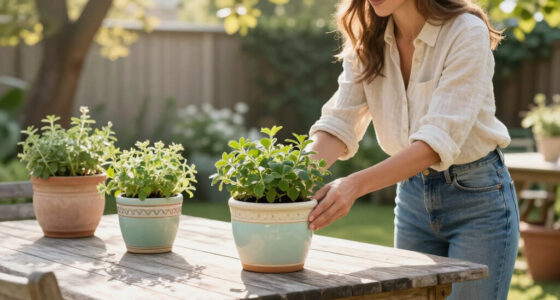
Yes, many of these flowers, such as bee balm and sedum, are suitable for small spaces and containers, making them accessible options for urban and suburban gardeners.
Are non-native flowers beneficial for pollinators?
While native plants are generally preferred because they are better adapted to local pollinators, some non-native flowers can also provide nectar sources. However, planting native species is typically recommended for ecological compatibility.
What other measures can support pollinator health?
Reducing pesticide use, creating habitat corridors, and avoiding habitat destruction are critical. Providing water sources and avoiding monocultures also help sustain healthy pollinator populations.
Source: rss
Fall Picks
fall essentials
As an affiliate, we earn on qualifying purchases.