TL;DR
Prime for Young Adults — start your free trial
Fast free delivery, streaming and member deals for eligible 18–24 year olds.
Try it freeAs an affiliate, we earn on qualifying purchases.
Garden experts warn that six pests become particularly active in July, posing a threat to plants. Early detection and prevention are key to safeguarding your garden.
Garden experts warn that six pests are especially active in July, increasing the risk of damage to plants if not managed early. This development matters because timely intervention can save gardeners from costly and damaging infestations during peak growing season.
According to pest control specialists, the six pests most active in July are aphids, Japanese beetles, tomato hornworms, squash bugs, cutworms, and whiteflies. These pests can cause significant damage to vegetables, fruits, and ornamental plants if not controlled promptly.
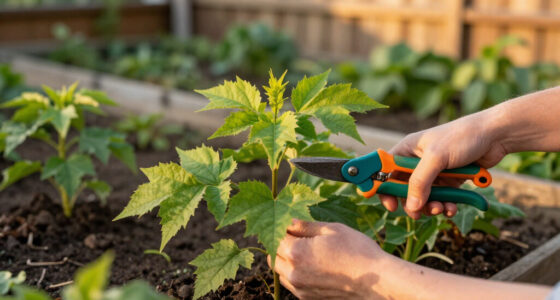
Experts recommend regular inspections of plants, especially during early morning or late evening when pests are most active. Using appropriate organic or chemical controls, such as neem oil or insecticidal soaps, can help prevent infestations. Physical barriers like row covers are also advised for vulnerable crops.
Gardening organizations emphasize that prevention is more effective and environmentally friendly than reactive measures. They also suggest maintaining plant health through proper watering, fertilization, and pruning to reduce pest susceptibility.
Why Early Pest Management in July Is Critical for Garden Health
Managing these pests early in July is crucial because infestations can spread rapidly, leading to reduced yields and damaged plants. Failure to control them can result in increased pesticide use later, which may harm beneficial insects and the environment. Protecting plants now helps ensure a healthy garden through the season and beyond.
organic insecticidal soap for garden pests
As an affiliate, we earn on qualifying purchases.
As an affiliate, we earn on qualifying purchases.
July Pest Activity and Seasonal Garden Challenges
July is a peak month for pest activity due to warm weather and abundant food sources. Historically, gardeners face increased challenges with pests like aphids and beetles during this time, which can quickly escalate if not addressed early. Previous years have shown that delayed action often results in more severe infestations and crop loss.
Recent reports from gardening associations confirm that early-season pest control reduces the need for heavy chemical interventions later. The trend toward organic gardening also encourages early detection and natural control methods.
“Early identification and intervention are key to preventing pest outbreaks in July. Regular monitoring can save gardeners significant time and resources.”
— Jane Smith, entomologist at GardenProtect
Uncertainties Surrounding Pest Behavior and Control Effectiveness
While experts agree on the pests to watch, the effectiveness of specific control methods may vary depending on local conditions and pest resistance. It is not yet clear how climate variations in different regions will influence pest activity levels this July. Ongoing research is assessing the most sustainable and effective control strategies for diverse garden settings.
Next Steps for Gardeners to Protect Against July Pests
Gardeners should conduct weekly inspections of their plants and apply preventive measures as needed. Staying informed through local extension services and gardening groups will help adapt strategies to specific regional conditions. As pest activity peaks, timely intervention remains critical to minimizing damage and maintaining garden health.
Key Questions
What are the most effective organic methods to control pests in July?
Organic options such as neem oil, insecticidal soaps, and companion planting are recommended. Physical barriers like row covers can also prevent pests from reaching plants.
How can I identify early signs of pest infestations?
Look for discolored, chewed, or deformed leaves, presence of pests on plant surfaces, or sticky residues. Regular inspections, especially early morning or late evening, improve detection chances.
Are chemical pesticides safe to use during peak gardening season?
When used according to instructions and with appropriate protective equipment, chemical pesticides can be effective. However, integrated pest management emphasizes minimal chemical use to protect beneficial insects and the environment.
Will weather changes affect pest activity this July?
Yes, variations in temperature and rainfall can influence pest populations. Wetter conditions may promote fungal issues, while dry spells might reduce some pests but increase others. Monitoring local weather patterns helps tailor control strategies.
Source: rss
NFL season / tailgating Picks
team gear
As an affiliate, we earn on qualifying purchases.