
TL;DR
Proper garden tool storage reduces retrieval time by up to 50%, protects tools from rust, and maximizes space. Using labeled, durable, and weatherproof solutions keeps your garden neat and your tools in top shape.
Imagine stepping into your garden shed. Instead of hunting for that missing pruning shear or untangling a mess of hoses, everything sits in its place. It’s tidy, accessible, and ready for action. Good organization isn’t just about looks; it transforms your gardening experience.
In this guide, you’ll discover how to turn chaos into order with simple, practical storage solutions. Whether you have a tiny balcony or a sprawling backyard, these tips will help you keep your tools safe, easy to find, and in top condition.
Use vertical and wall-mounted storage to save space in small gardens.
Protect tools from moisture with waterproof containers and regular oiling.
Label everything to find tools faster and keep the shed organized.
Incorporate modern, modular, and eco-friendly storage solutions for flexibility.
Maintain tools regularly—organized storage makes cleaning and sharpening easier.
How to Make Your Garden Tools Easy to Find and Use
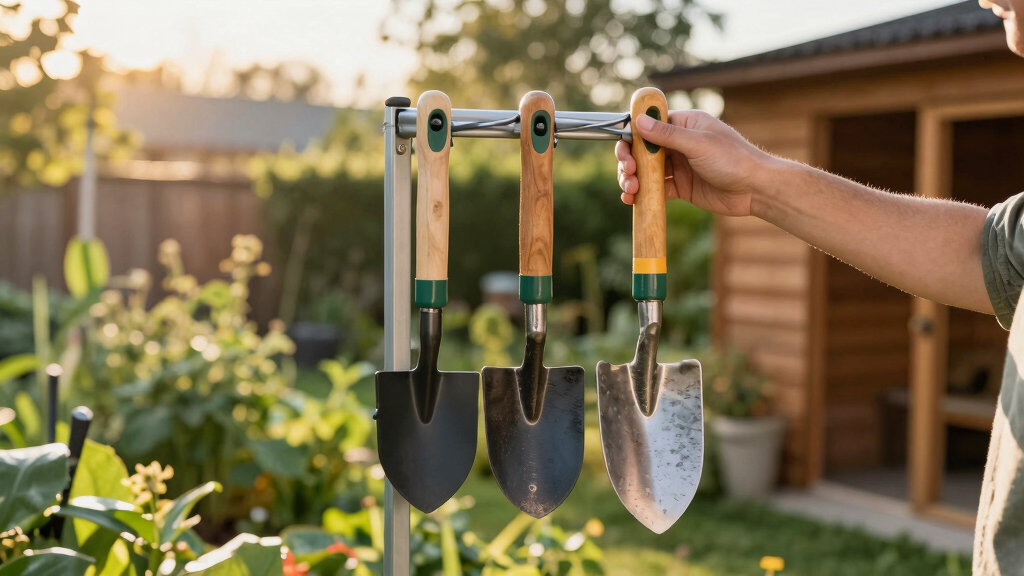
Garden tools should be stored in a way that makes them easy to locate and grab. Think hooks, racks, or labeled bins. For example, installing a sturdy wall-mounted pegboard in your shed allows you to hang pruning shears, rakes, and trowels at eye level. When everything has a designated spot, you save precious minutes searching.
Use color-coded labels or tags to categorize tools—red for pruning, green for watering, blue for digging. It’s like creating a visual map that guides you effortlessly through your garden chores.
As an affiliate, we earn on qualifying purchases.
Protect Your Tools from Weather and Rust
Weatherproof storage is key to preventing rust and corrosion. Metal tools left exposed to rain and humidity will deteriorate quickly, leading to increased replacement costs and potential delays during gardening tasks. A waterproof shed or plastic tool cabinet acts as a barrier, maintaining a dry environment that slows down oxidation. Imagine grabbing a shiny, rust-free shovel after a rainstorm—this not only makes your work easier but also extends the lifespan of your tools.
If storing outside, consider adding silica gel packs or desiccant sheets inside your containers to absorb excess moisture, which is a primary contributor to rust formation. Regularly wiping tools with an oily rag creates a protective film that repels water and prevents corrosion. These practices are cost-effective ways to maintain tool integrity, especially in humid climates or during off-season storage.
Maximize Limited Space with Clever Storage Ideas
Space is often tight, especially in urban gardens or small yards. Vertical storage solutions are essential because they make use of vertical wall space, freeing up valuable floor area for movement and other activities. For example, hanging hooks for long-handled tools like rakes and shovels prevents clutter on the ground, reducing tripping hazards and making tools easier to find. Stacking bins for smaller items such as seeds, gloves, or hand tools keep everything accessible without taking up much space.
When choosing storage options, consider the tradeoffs: wall-mounted racks are excellent for keeping tools visible and within reach but require sturdy support and proper installation. Stacking bins maximize vertical space but can become cluttered if not labeled correctly, which may negate their space-saving benefits. Freestanding shelves are versatile but occupy floor space and can be less suitable for very small gardens. Combining these methods thoughtfully allows you to tailor storage to your specific garden layout, balancing accessibility with space efficiency.
Keep Tools in Good Shape with Regular Maintenance
Proper storage facilitates consistent maintenance routines, which are crucial for extending the lifespan of your gardening tools. When tools are organized and stored correctly, it’s easier to incorporate cleaning and sharpening into your regular gardening schedule. For instance, storing pruning shears in a dedicated, labeled box encourages you to wipe and oil them after each use, preventing rust and maintaining sharpness. If neglected, blades can become dull or rusted, making pruning more difficult and increasing the risk of damage to plants.
Developing a habit of wiping tools down after use, applying a thin layer of oil to metal parts, and storing them in a dry, ventilated space minimizes corrosion and mechanical wear. These small, consistent actions reduce long-term costs and downtime, ensuring that your tools remain effective and safe to use season after season. Think of maintenance as a form of preventative care—saving you time and money by avoiding costly replacements and repairs down the line.
How Modern Innovations Make Storage Smarter
Recent storage solutions go beyond simple shelves. Modular pegboards with adjustable hooks allow you to customize your setup as your collection of tools and supplies grow, preventing clutter and making organization dynamic. Magnetic strips hold metal tools securely, enabling quick retrieval while keeping tools visible and accessible, which reduces the time spent searching for specific items. Smart sheds equipped with humidity sensors monitor environmental conditions, actively protecting delicate tools from mold and rust—especially important in humid or unpredictable climates.
Eco-friendly options, like recycled plastic bins or bamboo shelves, help reduce your garden’s environmental footprint while providing durable storage. Multi-functional units that combine storage with workbenches or seating optimize space, especially in small gardens where every square inch counts. These innovations not only improve organization but also add convenience and sustainability to your gardening routine, making your storage system a true extension of your gardening workspace.
Why Labeling and Categorizing Your Tools Boost Efficiency
Labels turn chaos into clarity. Group tools by type—pruners, shovels, hoses—and mark their designated spots. This categorization simplifies your workflow, reduces frustration, and minimizes the risk of damaging tools by using the wrong one. Imagine opening your shed and instantly knowing where everything is—no more rummaging in the dark or pulling out the wrong tool, which can lead to delays or accidental damage.
Labeling also benefits shared gardens, where multiple users rely on the same storage space. Clear, waterproof labels or durable paint markers ensure categories remain visible over time, even in challenging weather conditions. Consistent labeling helps maintain organization, reduces confusion, and encourages everyone to return tools to their proper places, fostering a more efficient and collaborative gardening environment.
Frequently Asked Questions
What are the best storage solutions for small gardens?
Vertical racks, wall-mounted pegboards, and stacking bins maximize space without clutter. Compact, multi-purpose furniture like fold-away workbenches also helps keep tools accessible and out of the way.
How can I organize my gardening tools to prevent rust and damage?
Store tools in waterproof containers or sheds, wipe them down after use, and apply a light coat of oil regularly. Keeping tools dry and clean extends their lifespan significantly.
What materials are most durable for outdoor tool storage?
Metal, high-quality plastic, and composite materials resist weather better than wood. Look for waterproof, rust-resistant options for longevity in outdoor conditions.
How do I keep my tools organized and accessible throughout the gardening season?
Use labels, categorize by tool type, and maintain a regular cleaning routine. Updating your storage as your collection grows prevents clutter and keeps everything within reach.
Are there eco-friendly options for garden tool storage?
Yes, recycled plastic bins, bamboo shelves, and upcycled pallets provide sustainable choices. These materials are durable and help reduce your garden’s environmental impact.
Conclusion
Clear organization transforms your gardening routine from frustrating to efficient. A tidy shed isn’t just prettier; it’s a tool-saving, rust-preventing powerhouse. Take a few minutes to set up smart storage today—your garden and your tools will thank you.
Remember, a little order can turn your garden into a sanctuary of productivity and peace. Start small, think vertical, and label everything. Before long, your garden will be as organized as it is beautiful.