
Using sage with brassicas like cabbage, kale, and broccoli enhances both flavor and health benefits. Its aromatic, earthy notes complement these vegetables, making your dishes more delicious and nutritious. Sautéing brassicas with garlic and sage or roasting them with fresh leaves amplifies their natural flavor and boosts anti-inflammatory and antioxidant properties. Incorporating sage into your meals creates a flavorful, health-boosting experience. Keep exploring how pairing these ingredients can elevate your culinary and wellness practices.
Listen free for 30 days with Audible
Thousands of audiobooks and originals — cancel anytime.
As an affiliate, we earn on qualifying purchases.
Key Takeaways
- Sage’s aromatic leaves enhance brassicas like cabbage, broccoli, and kale by adding flavor and brightening their earthy notes.
- Combining sage with brassicas boosts medicinal benefits, supporting digestion, reducing inflammation, and strengthening immunity.
- Sautéing brassicas with garlic and sage maximizes flavor and medicinal properties for a healthful, aromatic dish.
- Infusing oils or broths with sage enhances the nutritional profile and depth of vegetable-based meals.
- Using sage as a garnish or seasoning creates more appealing, nourishing dishes that encourage mindful and health-conscious eating.
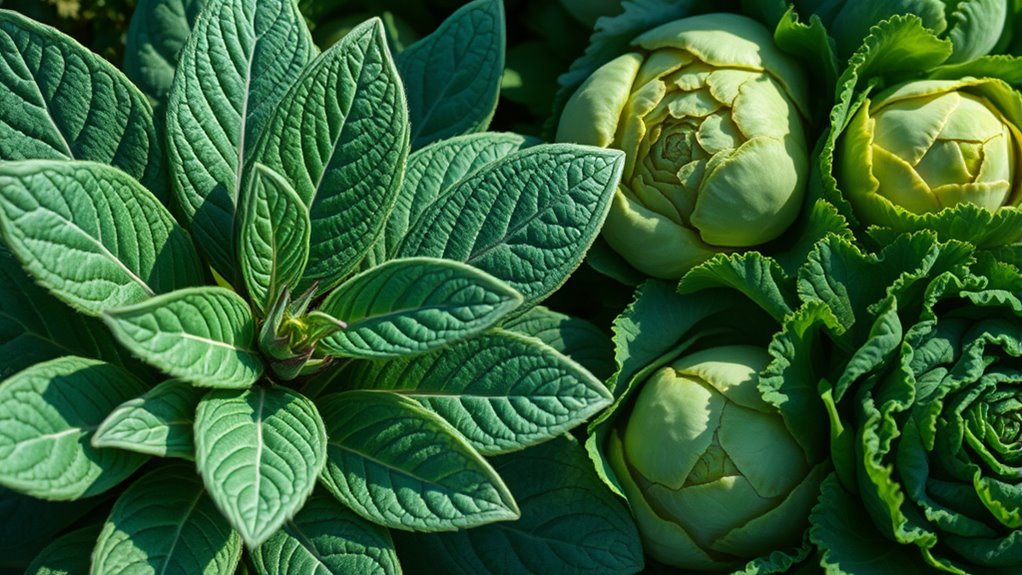
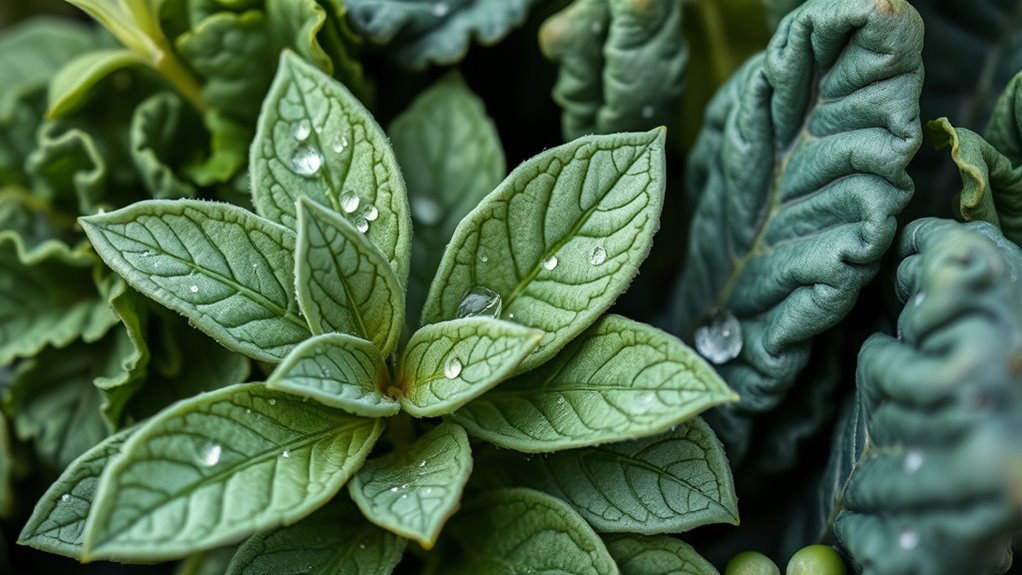
Sage, with its aromatic leaves, pairs naturally with brassicas like cabbage, broccoli, and kale, enhancing their flavor and offering health benefits. When you incorporate sage into your dishes, you’re not just adding a fragrant herb—you’re also revealing a range of medicinal properties that can support your well-being. Sage has been used for centuries in traditional medicine for its anti-inflammatory, antioxidant, and antimicrobial qualities. These medicinal properties make it a valuable addition to your kitchen, especially when combined with nutrient-dense brassicas. The earthy, slightly peppery flavor of sage complements the robust taste of cabbage and kale, while its aromatic qualities brighten up broccoli and other cruciferous vegetables. These culinary pairings aren’t just about flavor—they’re about creating meals that are both delicious and health-boosting.
When you cook with sage alongside brassicas, you’re enhancing not only the taste but also the nutritional profile of your meal. Brassicas are rich in vitamins, minerals, and phytochemicals, especially glucosinolates, which have been linked to cancer prevention and detoxification. The addition of sage may amplify these benefits, thanks to its compounds like rosmarinic acid and flavonoids, which contribute to its medicinal properties. Incorporating sage into your recipes can help reduce inflammation, support digestion, and strengthen your immune system. Additionally, energetic alignment during cooking can amplify the health benefits and foster a mindful eating experience. Whether you’re preparing a hearty kale sauté with sage, a roasted broccoli dish flavored with fresh leaves, or a cabbage stew infused with sage, you’re creating a synergy that benefits your health.
Culinary pairings involving sage and brassicas can be versatile and satisfying. You might decide to use fresh sage leaves as a garnish or incorporate chopped sage into your seasoning blends. Sautéing brassicas with garlic and sage is a simple yet flavorful way to maximize their medicinal and culinary potential. You can also infuse oils or broths with sage, adding depth to your vegetable dishes. These pairings help you enjoy the full spectrum of flavors and health benefits, making your meals more nourishing. Plus, the aromatic nature of sage can make even simple preparations more appealing, encouraging you to eat more of these nutritious vegetables.
As an affiliate, we earn on qualifying purchases.
Frequently Asked Questions
Can Sage and Brassicas Be Used Together in Herbal Remedies?
Yes, you can use sage and brassicas together in herbal remedies. Their herbal synergy enhances immune support and digestion. This pairing also works well as a culinary pairing, adding flavor and health benefits to your dishes. Combining sage’s aromatic qualities with brassicas’ nutritional power creates a holistic approach to wellness, making them a versatile choice for both herbal remedies and flavorful meals.
Are There Any Safety Concerns When Combining Sage With Brassicas?
Are you aware of potential risks when combining sage with brassicas? While generally safe, you should watch for toxic interactions and allergic reactions. Sage can sometimes cause skin irritation or allergic responses in sensitive individuals, and brassicas might lead to digestive issues or interact with certain medications. Always test small amounts first and consult a healthcare professional if you’re uncertain. Could avoiding these risks help you enjoy herbal remedies safely?
How Do Sage and Brassicas Affect Digestion and Gut Health?
You’ll find that sage and brassicas support digestion and gut health by promoting fermentation benefits and boosting your gut microbiome. Sage’s anti-inflammatory properties soothe your digestive tract, while brassicas provide fiber that encourages healthy bacteria growth. Together, they enhance nutrient absorption and reduce bloating. Regularly including these foods can help maintain a balanced gut environment, improving your overall digestion and supporting long-term gut health.
Can Sage Enhance the Flavor of Brassica-Based Dishes?
Yes, sage can enhance the flavor of brassica-based dishes through effective culinary pairing. Its earthy, slightly peppery notes complement the strong, sometimes bitter taste of cabbages, kale, or broccoli. When you add sage, it elevates the dish’s aroma and depth, creating a more balanced and savory flavor profile. This pairing not only boosts flavor enhancement but also makes your meal more aromatic and satisfying.
Are There Specific Growing Conditions for Optimal Sage and Brassica Cultivation?
Think of growing sage and brassicas like tuning a fine instrument—you need the right conditions. You’ll want well-draining soil rich in organic matter and full sunlight exposure to thrive. Sage prefers slightly alkaline soil, while brassicas like cooler temperatures and consistent moisture. By meeting these soil requirements and providing ample sunlight, you’ll cultivate healthy plants that bring flavor and resilience to your garden.
Conclusion
By pairing sage with brassicas, you’re planting a fragrant shield that wards off pests and boosts flavor. Think of sage as a trusty guardian, standing tall amid leafy warriors, whispering protection and harmony. This aromatic support transforms your garden into a lively symphony of scents and tastes, turning simple vegetables into a culinary masterpiece. Embrace this pairing, and watch your garden flourish like a well-tuned orchestra, full of vibrant life and flavor.
NFL season / tailgating Picks
team gear
As an affiliate, we earn on qualifying purchases.