
When planning your infinity pool, you need to guarantee you follow safety standards like installing a secure, 4-foot fence with self-closing gates and using slip-resistant surfaces. Be sure electrical systems are properly grounded, weatherproofed, and protected by GFCIs, and hire licensed electricians for installation. Comply with local building codes for setbacks and structural requirements. Incorporating safety features and understanding regulations will help you maintain a safe, durable infinity pool while avoiding potential hazards—discover more safety tips as you continue.
Key Takeaways
- Ensure pool fencing is at least 4 feet high with self-closing, self-latching gates to prevent accidental access.
- Use GFCIs and weatherproof grounding for all outdoor electrical components to prevent electrical shocks.
- Comply with local building codes for setback distances, structural requirements, and permit approvals before construction.
- Incorporate slip-resistant surfaces, safety alarms, and proper lighting to enhance overall pool safety.
- Conduct regular inspections and maintenance of safety features and electrical systems to ensure ongoing compliance and safety.

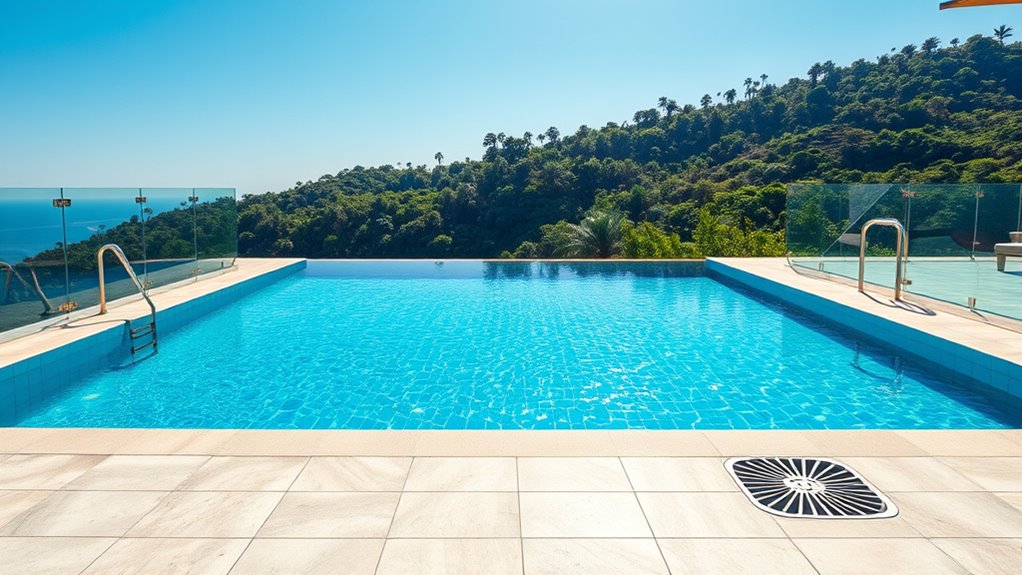
Infinity pools offer breathtaking views and luxurious appeal, but their unique design requires careful attention to safety and building codes. When planning your infinity pool, you need to prioritize features like pool fencing to prevent accidental falls and guarantee compliance with local regulations. Pool fencing acts as a physical barrier, especially important if you have children or pets. It should be at least four feet tall, with self-closing, self-latching gates, and should prevent easy climbing. Installing proper fencing not only safeguards your loved ones but also helps you meet safety standards required by building authorities. Without it, you risk liability and potential legal issues if an accident occurs.
Electrical safety is another essential aspect to consider. Infinity pools involve extensive electrical systems—lighting, pumps, heaters—that must be installed and maintained according to strict electrical codes. You should guarantee all outdoor electrical components are properly grounded, weatherproofed, and installed by licensed electricians familiar with pool safety standards. GFCIs (ground-fault circuit interrupters) are necessary for protecting users from electrical shocks, especially since water conducts electricity and increases risk. Regular inspections and maintenance of electrical equipment are fundamental to prevent hazards. Any faulty wiring or equipment should be addressed immediately to avoid dangerous situations.
Building codes also influence the design and construction of your infinity pool. These codes specify minimum safety distances from property lines, setbacks, and structural requirements. They might dictate the type of materials you can use for pool fencing, decking, and retaining walls. Making sure your pool adheres to these standards helps prevent structural failures, water leakage, and safety hazards down the line. Many regions require plans to be submitted for approval before construction begins, so working with a licensed contractor who understands local codes is essential. They can help you navigate permits, inspections, and documentation, making sure your project stays compliant from start to finish. Additionally, proper venting and drainage systems are vital for preventing water accumulation and related hazards.
Beyond compliance, integrating safety features into your infinity pool’s design is fundamental. Use slip-resistant surfaces around the pool area, and consider installing safety alarms or covers as additional precautions. Proper lighting enhances visibility during nighttime use, reducing the risk of accidents. Educate everyone who will use the pool about safety rules, especially regarding the importance of pool fencing and electrical safety measures. By paying attention to these details, you not only protect yourself and your guests but also guarantee your luxury infinity pool remains a beautiful, safe feature of your property for years to come.

Pool Fence DIY by Life Saver Fencing Section Kit, 4 x 12-Feet, Black
Removable, mesh, pool safety fencing for use around swimming pools to help protect against accidental falls into the…
As an affiliate, we earn on qualifying purchases.
As an affiliate, we earn on qualifying purchases.
Frequently Asked Questions
Are There Specific Permits Required for Infinity Pools?
Yes, you need specific permits for infinity pools. Check your local building department’s permit requirements before starting construction, as they vary by location. You’ll also need to take into account zoning restrictions that may limit pool size or placement. Securing these permits ensures your infinity pool complies with safety and code standards, preventing potential fines or delays. Always consult with professionals to navigate permit processes smoothly and meet all local regulations.
What Are the Insurance Implications of Installing an Infinity Pool?
Did you know that properties with pools see insurance liability claims increase by 50%? Installing an infinity pool impacts your insurance coverage requirements considerably. You’ll need to review your policy for liability coverage, as infinity pools pose unique risks like falls or drowning. Make sure your insurer understands your pool’s design to avoid coverage gaps. Proper documentation and safety measures can help protect you financially if accidents happen.
How Often Should Safety Inspections Be Conducted?
You should conduct safety inspections at least once a year, focusing on pool fencing integrity and emergency procedures. Regular checks guarantee your fencing remains secure, preventing unauthorized access, and that emergency protocols are up-to-date and effective. Additionally, inspect safety equipment like life rings and alarms. Frequent inspections help catch issues early, keeping your infinity pool safe for everyone and ensuring compliance with safety standards.
What Are Best Practices for Maintaining Water Quality?
Maintain meticulous methods by monitoring chemical balance regularly, ensuring pH, chlorine, and alkalinity stay balanced. Frequently clean and check filtration systems to promote pristine water quality. Proper circulation prevents stagnation, while consistent testing detects disturbances early. By balancing chemicals and bustling filtration, you’ll keep your infinity pool inviting, immaculate, and safe, providing a sparkling sanctuary for swimmers. Regular maintenance maximizes longevity and minimizes costly repairs, making pool perfection a practical priority.
Are There Unique Electrical Code Considerations for Infinity Pools?
You need to follow specific electrical code considerations for infinity pools, especially regarding electrical grounding and bond requirements. Make certain all electrical equipment is properly grounded to prevent shocks, and bond all metal components to maintain electrical continuity. This helps prevent stray currents and ensures safety. Always consult local electrical codes and standards, like the NEC, and work with a licensed electrician to guarantee compliance and safety for your infinity pool setup.

Leviton GFCI Weather-Resistant Outlet, 15 Amp, Self Test, Tamper-Resistant with LED Indicator Light, Outdoor Locations, GFWT1-W, White
Designed to improve immunity for reduced High Frequency (HF) nuisance tripping. providing increased compatibility with appliances and other…
As an affiliate, we earn on qualifying purchases.
As an affiliate, we earn on qualifying purchases.
Conclusion
Now that you understand the safety and code considerations for infinity pools, you’re practically invincible! With the right precautions, your infinity pool can become the most breathtaking, safest oasis in the universe—so mesmerizing that even mermaids would envy it. Just remember, a little extra attention to safety keeps your paradise perfect and prevents potential disasters from turning your dream into a watery nightmare. plunge in confidently, knowing you’ve got this covered!
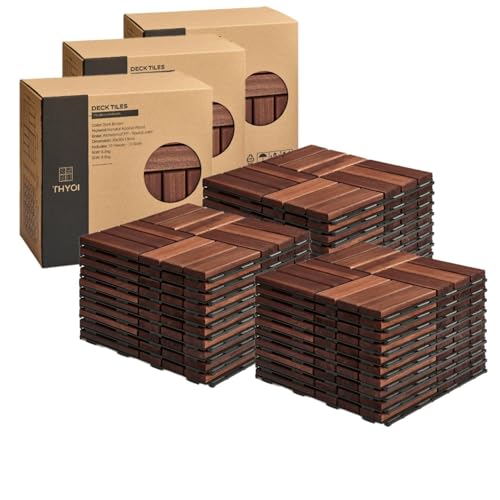
THYOI Deck Tiles, Patio Flooring – Outdoor Waterproof Acacia Wood Tiles for All Weather Use – Balcony, Backyard, Indoor & Outdoor (Dark Brown Crossed Pattern, 30 Pcs – 30 Square Ft)
𝐏𝐑𝐄𝐌𝐈𝐔𝐌 & 𝐃𝐔𝐑𝐀𝐁𝐋𝐄 𝐀𝐂𝐀𝐂𝐈𝐀 𝗪𝐎𝐎𝐃: THYOI interlocking deck tiles are made from 100% natural acacia wood and PPC…
As an affiliate, we earn on qualifying purchases.
As an affiliate, we earn on qualifying purchases.

Pool Alarm with Indoor Receiver, 110dB Ultra Loud Floating Alarm for Inground & Above Ground Pools, Adjustable Sensitivity for Backyard Water Safety with Children & Pets, Navy-Violet
【Easy To Install】Simply insert the included 9V battery into the pool unit. Keep the default sensitivity setting or…
As an affiliate, we earn on qualifying purchases.
As an affiliate, we earn on qualifying purchases.