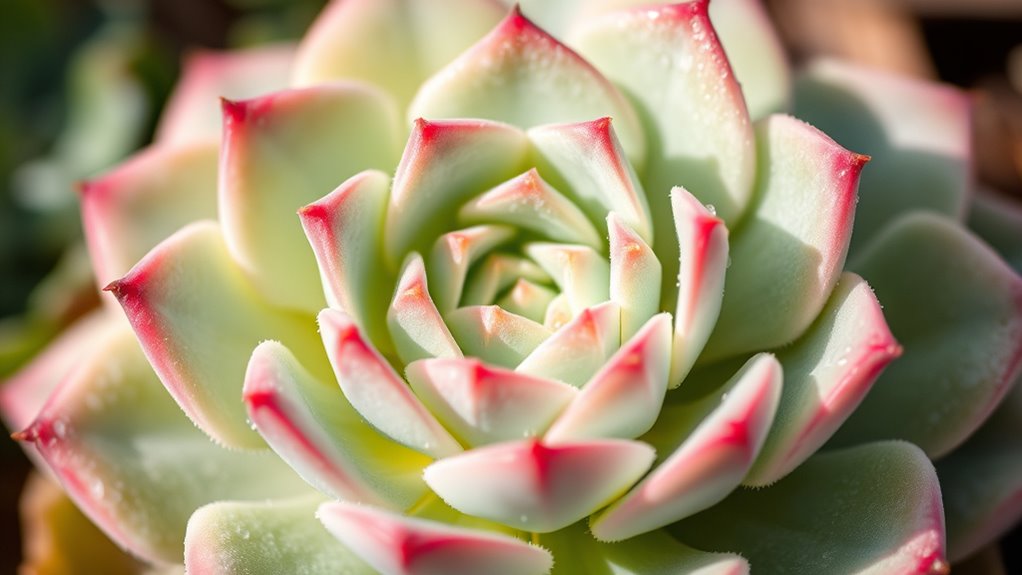

To care for echeveria rosette succulents, water only when the soil is completely dry, usually every 1-2 weeks, avoiding water on the leaves. Place them in bright, indirect sunlight to keep their colors vibrant and shape compact. Use well-draining soil and make certain good airflow around the plant. Watch for pests like mealybugs or aphids, and treat them promptly. If you want to keep your echeveria healthy and beautiful, there’s more to learn.
Key Takeaways
- Water only when soil is completely dry, approximately every 1-2 weeks, to prevent overwatering and root rot.
- Provide bright, indirect sunlight to maintain vibrant colors and a healthy, compact rosette shape.
- Use well-draining soil and avoid water on leaves to prevent rot and pest issues.
- Regularly inspect for pests like mealybugs and treat promptly with insecticidal soap or neem oil.
- Ensure good airflow and adjust watering frequency seasonally, watering less in winter to promote plant health.
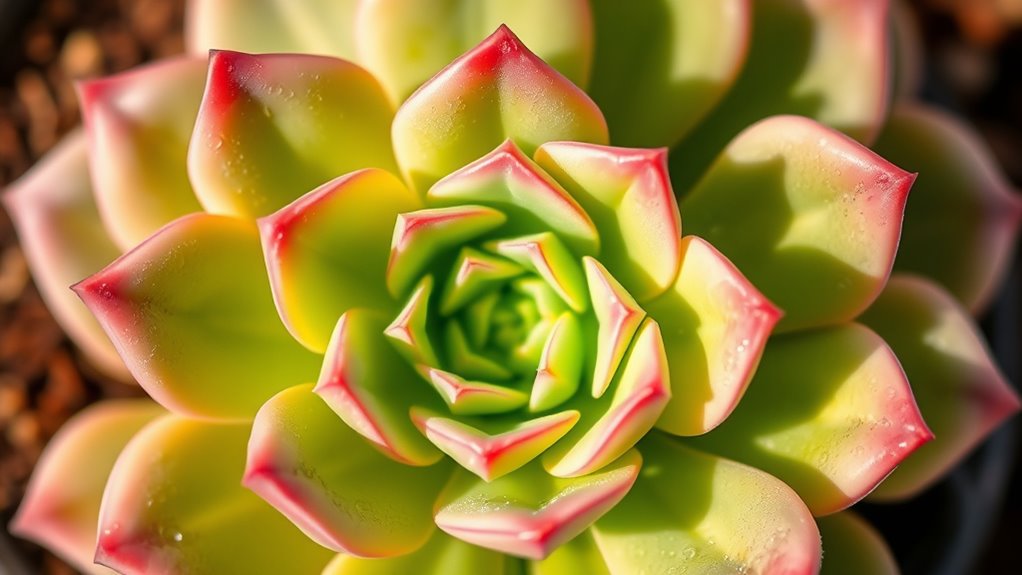
Echeverias are stunning succulents that thrive with minimal care, making them perfect for both beginners and experienced plant enthusiasts. Their rosette shape and colorful leaves add a touch of elegance to any indoor or outdoor space. To keep your echeveria healthy, you’ll want to establish a proper watering schedule. These plants are drought-tolerant, so overwatering can lead to root rot. Typically, you should water your echeveria only when the soil has completely dried out, which might be every one to two weeks depending on your climate and the season. During the hotter months, you might need to water a bit more frequently, but always check the soil first. In winter, reduce watering even further to prevent excess moisture from harming the roots. When watering, make sure you’re applying water directly to the soil and avoid getting water on the leaves, as this can promote rot or pest issues. Using a watering can with a narrow spout can help you control the flow and target the roots precisely. Additionally, ensuring your echeveria is planted in a well-draining soil mix can prevent issues related to poor drainage and overwatering. Pest management is another vital aspect of echeveria care. While these succulents are generally hardy, they can fall prey to common pests like mealybugs, aphids, or spider mites. Regular inspection is key; look under leaves and around the base for any signs of pests or damage. If you notice pests, promptly treat the plant with insecticidal soap or neem oil, following the instructions carefully. Removing affected leaves can also help prevent pests from spreading. Good airflow and avoiding overwatering can greatly reduce pest problems, as excess moisture creates a hospitable environment for pests and diseases. Keep your echeveria in a well-draining soil mix to discourage root rot and pest infestations. If you notice sticky residue or webbing, act quickly to address the issue before it worsens. In addition to watering and pest management, remember that echeverias prefer bright, indirect sunlight, which enhances their vibrant colors and compact rosette shape. Position your plant where it gets plenty of light but is protected from intense, direct afternoon sun that could scorch the leaves. With consistent care, including a proper watering schedule and vigilant pest management, your echeveria will flourish, rewarding you with its beauty for years to come. These simple steps will help you maintain a healthy, attractive plant that’s both easy to care for and a stunning addition to your collection.
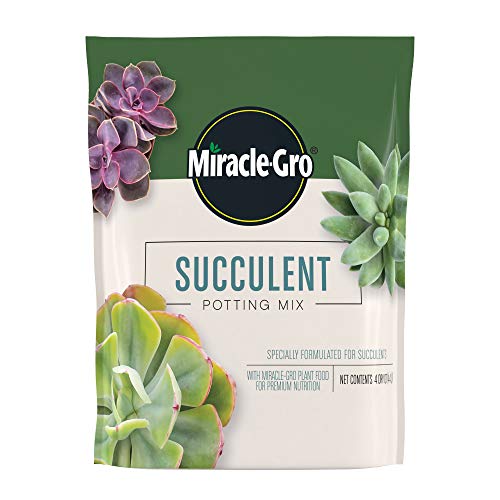
Miracle-Gro Succulent Potting Mix – Potting Soil Mix for Indoor Succulents, Aloe Vera and More, Made with Miracle-Gro Plant Food, 4 qt.
PLANT TYPES: Use this succulent soil mix with indoor succulent plants, including aloe vera, cacti, echeverias, houseleek, burro's…
As an affiliate, we earn on qualifying purchases.
As an affiliate, we earn on qualifying purchases.
Frequently Asked Questions
How Can I Prevent Pests on My Echeveria?
To prevent pests on your echeveria, regularly inspect it for pest identification signs like tiny insects or webbing. Keep your plant healthy by providing proper watering and sunlight, which boosts its resistance. Use organic pest control methods such as neem oil or insecticidal soap when you notice pests. Quarantining new plants before introducing them to your echeveria also helps prevent pest infestations. Consistent care keeps your echeveria thriving and pest-free.
What Are Common Signs of Overwatering?
Overwatering creates a silent danger, blending lush growth with hidden threats. You’ll notice watering issues when your echeveria’s leaves become soft, translucent, or start to discolor—clear signs of overhydration. Root rot symptoms, like blackened, mushy roots, often follow if you ignore these signs. To prevent this, water only when the soil is completely dry, ensuring good drainage, and avoid letting your succulent sit in water, which invites these problems.
Can Echeveria Tolerate Frost or Cold Temperatures?
Echeveria aren’t frost resistant, so you should avoid exposing them to freezing temperatures. If frost or cold weather is forecasted, give your plant winter protection by bringing it indoors or covering it with a frost cloth. While some varieties tolerate light cold, prolonged exposure can damage or kill your echeveria. Always check your specific cultivar’s frost resistance and plan accordingly to keep it healthy through winter.
How Do I Propagate Echeveria From Leaves?
You can propagate echeveria from leaves by selecting healthy, plump leaves without damage. Gently twist or cut the leaf from the plant, ensuring you get the base. Let the leaf dry for a few days to form a callus, which helps prevent rot. Then, place it on well-draining soil, lightly water, and wait for roots and new rosettes to develop. This leaf propagation method is simple and effective.
What Are Natural Repellents for Common Echeveria Pests?
You can use natural pest repellents like neem oil, insecticidal soap, or garlic spray for organic pest control on your echeveria. These options effectively deter common pests such as mealybugs and aphids without harmful chemicals. Apply the repellents regularly, especially during active pest seasons, to keep your echeveria healthy. Always test a small area first to avoid any plant damage, and make certain good airflow around your succulent.

Watering Can for Indoor and Outdoor Plants – Long Spout Water Can for Garden, Flower, House Plants – 1.8L/1/2 Gallon (Green)
Customizable Water Flow: Watering can with a detachable shower nozzle, easily switch between a steady stream or gentle…
As an affiliate, we earn on qualifying purchases.
As an affiliate, we earn on qualifying purchases.
Conclusion
With proper care, your echeveria will thrive like a shining star in your collection, bringing beauty and charm to your space. Remember to give it bright light, well-draining soil, and avoid overwatering. Think of your echeveria as a delicate dance partner—gentle, attentive, and in tune with its needs. Nurture it with love, and it’ll reward you with stunning rosettes that brighten your days like a gust of fresh air.

Garden Safe Brand Insecticidal Soap Insect Killer, 32 Fluid Ounces, For Organic Gardening, Kills Bugs Through Contact
READY-TO-USE CONTACT SPRAY: No mixing required. Thoroughly spray insecticide on all plant parts, including the underside of leaves….
As an affiliate, we earn on qualifying purchases.
As an affiliate, we earn on qualifying purchases.

Succulent Tools, 13 Pcs Mini Garden Tool Set, Transplanting Tools Set,Succulent Care kit for Succulent Miniature Gardening Plant, Black
ALL-IN-ONE SUCCULENT TOOLS SET: This succulent tools kit contins all the essentials:1 water bottle(250 ml),1 Cleaning brush,1 Pair…
As an affiliate, we earn on qualifying purchases.
As an affiliate, we earn on qualifying purchases.