To care for your Chinese Evergreen in low light, place it in an area with indirect sunlight or shaded spots like offices or shady corners. Water only when the top inch of soil feels dry, avoiding overwatering to prevent root rot. Regularly prune dead or damaged leaves to keep the plant healthy and attractive. Proper watering and pruning promote lush foliage and better airflow. Keep exploring for more tips to keep your plant thriving in low-light conditions.
Key Takeaways
- Chinese Evergreens thrive in indirect, low-light environments like offices or shaded corners, avoiding direct sunlight to prevent leaf damage.
- Water only when the top inch of soil feels dry, ensuring consistent moisture without waterlogging to prevent root rot.
- Prune dead or yellowing leaves regularly to promote healthy growth and improve air circulation within the plant.
- Pruning stimulates variegation and maintains a tidy appearance, especially important in low-light conditions where growth may slow.
- Clean pruning tools before use and adjust watering based on seasonal changes for optimal plant health in low-light settings.
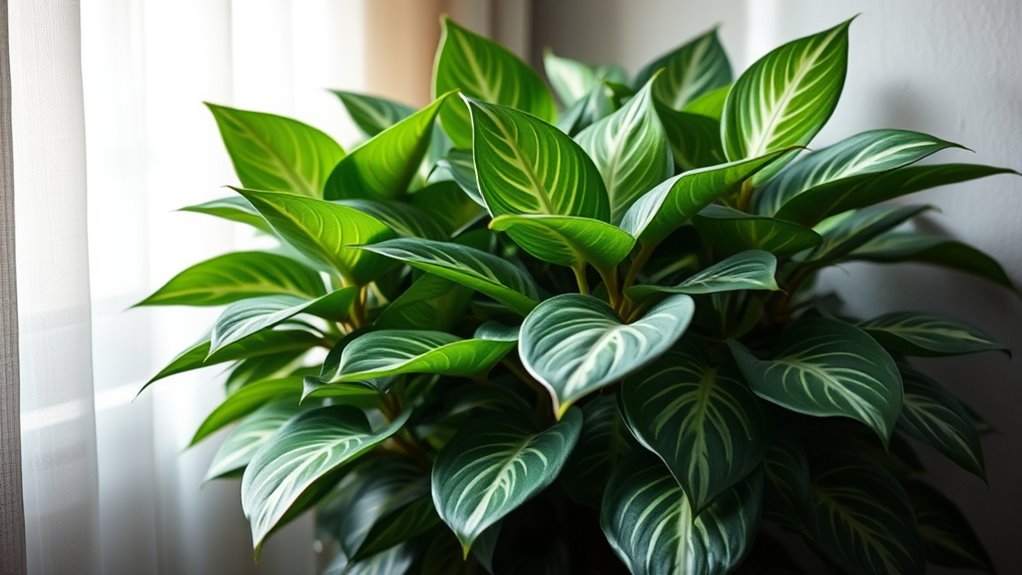
Chinese Evergreens are popular houseplants known for their attractive, variegated leaves and easy-care nature. If you’ve chosen one for your space, you’ll appreciate how adaptable they are, especially in low-light environments. These plants thrive in indirect light, making them ideal for offices, shady corners, or rooms without much natural sunlight. To keep your Chinese Evergreen healthy and vibrant, you need to pay attention to their watering schedule and pruning techniques, which are vital for low-light conditions.
When it comes to watering, you want to strike a balance. Chinese Evergreens prefer their soil to be consistently moist but not soggy. In low light, they tend to need less frequent watering because they use water more slowly. Check the top inch of soil regularly; if it feels dry, it’s time to water. If it’s still moist, wait a few more days. Overwatering is a common mistake, especially in shaded spots where evaporation is slower. Too much water can lead to root rot, so err on the side of caution and ensure your pot has good drainage. During winter months or in darker areas, you might only need to water every few weeks, but always adjust based on your plant’s specific needs.
Pruning techniques are equally important for maintaining your Chinese Evergreen’s health and appearance. Regular pruning helps remove dead or yellowing leaves, which can otherwise attract pests or spread disease. Use clean, sharp scissors or pruning shears to cut just above a leaf node or stem junction. This encourages new growth and keeps the plant looking tidy. In low-light environments, your plant might grow more slowly, so don’t feel the need to prune aggressively. Instead, focus on trimming any damaged or overcrowded foliage to improve airflow and overall vigor. You can also prune to control the size of the plant, especially if it’s placed in a confined space.
Additionally, pruning can stimulate the plant to produce more variegated leaves, enhancing its visual appeal. Proper pruning can also promote better air circulation, which is especially beneficial in low-light or indoor environments. Remember to clean your tools before and after pruning to prevent disease transfer. Overall, managing your watering schedule carefully and employing proper pruning techniques will guarantee your Chinese Evergreen remains healthy, vibrant, and suited to its low-light home. With minimal effort, you’ll enjoy a lush, attractive plant that adds a touch of greenery and elegance to your space.

Costa Farms Aglaonema, Chinese Evergreen, Live Indoor Plant, Potted in Grower's Pot, 30-Inches Tall
As an affiliate, we earn on qualifying purchases.
As an affiliate, we earn on qualifying purchases.
Frequently Asked Questions
Can Chinese Evergreens Survive in Complete Darkness?
Chinese Evergreens can’t survive in complete darkness because they need some light to thrive. They have a moderate darkness tolerance, but prolonged darkness will cause their leaves to yellow and decline. To help your plant survive, place it in low but indirect light and avoid overwatering. Survival tips include rotating the plant occasionally and keeping humidity levels stable. With proper care, your Chinese Evergreen will stay healthy and vibrant even in low-light areas.
How Often Should I Fertilize My Chinese Evergreen?
Think of your Chinese evergreen as a quiet listener needing just the right words. You should fertilize it every 2-3 months during the growing season, providing a balanced fertilizer to meet its nutrient requirements. During winter, cut back to once every 4-6 months. This fertilizer schedule nourishes its roots, keeps it vibrant, and ensures it thrives in low light, turning your space into a lush haven.
What Are Common Pests That Attack Chinese Evergreens?
You should watch for common pests like spider mites, mealybugs, and scale insects on your Chinese Evergreen. Pest identification is key—look for sticky residue, webbing, or tiny bugs. Use organic pest control methods such as neem oil or insecticidal soap to treat infestations safely. Regularly inspecting your plant helps catch pests early, preventing damage and keeping your Chinese Evergreen healthy and vibrant.
How Can I Revive a Dying Chinese Evergreen?
Imagine your Chinese evergreen slowly regaining its lush, vibrant leaves. To revive it, adjust your watering schedule—water only when the top inch of soil feels dry, avoiding overwatering. Pruning tips include trimming dead or yellowing leaves to encourage new growth. Place the plant in low light with consistent warmth. With patience and care, your plant will bounce back, restoring its beauty and robustness.
Is It Safe to Keep Chinese Evergreen Around Pets?
Yes, it’s not safe to keep a Chinese Evergreen around pets due to toxicity concerns. The plant contains compounds that can be harmful if your pets chew on it, causing symptoms like skin irritation, vomiting, or more serious issues. To guarantee pet safety, place the plant out of their reach or consider alternative, non-toxic houseplants. Always keep an eye on your pets and consult your vet if you suspect poisoning.
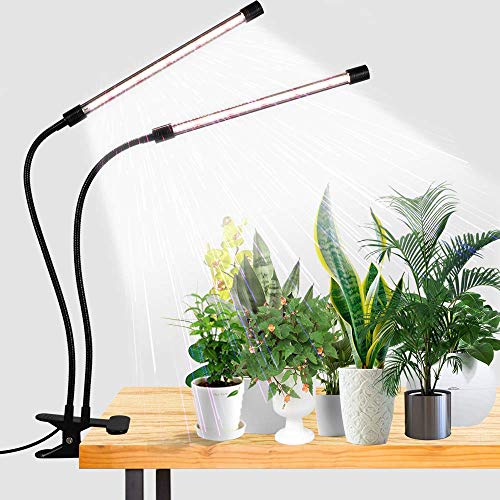
GooingTop LED Grow Light,6000K Full Spectrum Clip Plant Growing Lamp with White Red LEDs for Indoor Plants,5-Level Dimmable,Auto On Off Timing 4 8 12Hrs
6000K White Light – equipped with 10 Red + 74 White LEDs, this growing Lamp is similar to…
As an affiliate, we earn on qualifying purchases.
As an affiliate, we earn on qualifying purchases.
Conclusion
Caring for your Chinese Evergreen is simple, even in low light. While it thrives quietly, adding a touch of lush greenery to your space, it also teaches patience, thriving with minimal fuss. Like a subtle reminder that beauty doesn’t demand constant attention, this plant balances resilience with elegance. Embrace its low-maintenance nature, and you’ll enjoy its vibrant leaves without the stress of intense care—proof that sometimes, less truly is more.

VIVOSUN 6.5 Inch Gardening Scissors Hand Pruner Pruning Shear with Straight Stainless Steel Blades Orange 1-Pack
Reduce Hand Strain: These micro tip snips are made to reduces hand fatigue which makes them great for…
As an affiliate, we earn on qualifying purchases.
As an affiliate, we earn on qualifying purchases.

XLUX Long Probe Deep Use Soil Moisture Meter, Water Monitor Indicator Sensor, Hygrometer for Outdoor Indoor Large Pot Plants, Flower, Gardening, Farming
Accurate Soil Moisture Detection: The XLUX Soil Moisture Meter can tell you if the soil deep inside your…
As an affiliate, we earn on qualifying purchases.
As an affiliate, we earn on qualifying purchases.